The Decision Forcing Function
Overthinking is a habit. Practice the 30-second forcing function: set a timer, make the call, name what you gave up. This is how decisive judgment gets built.
Part 1: The Decision Forcing Function
+5 XP on completion
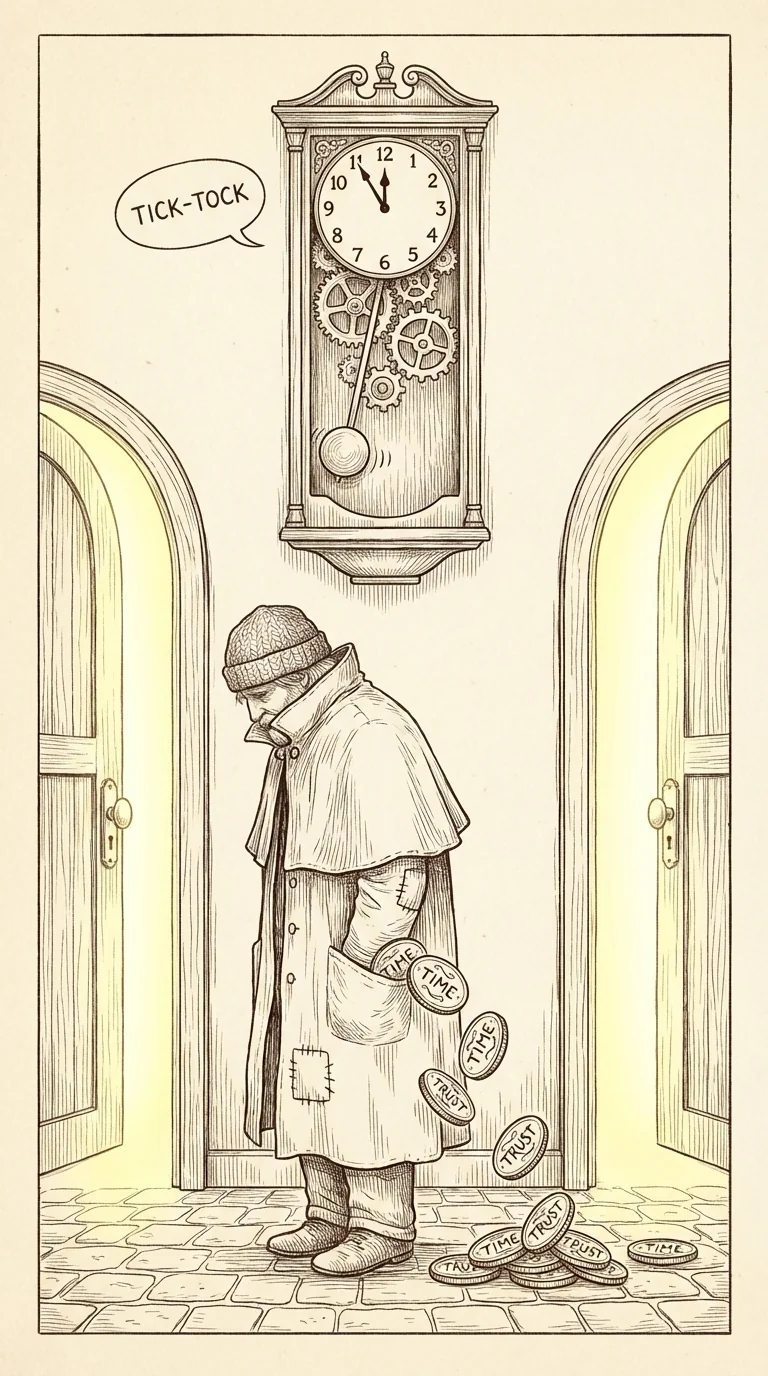
Indecision is a decision — just a bad one. The longer you wait, the more you pay in lost time, lost trust, and lost momentum.
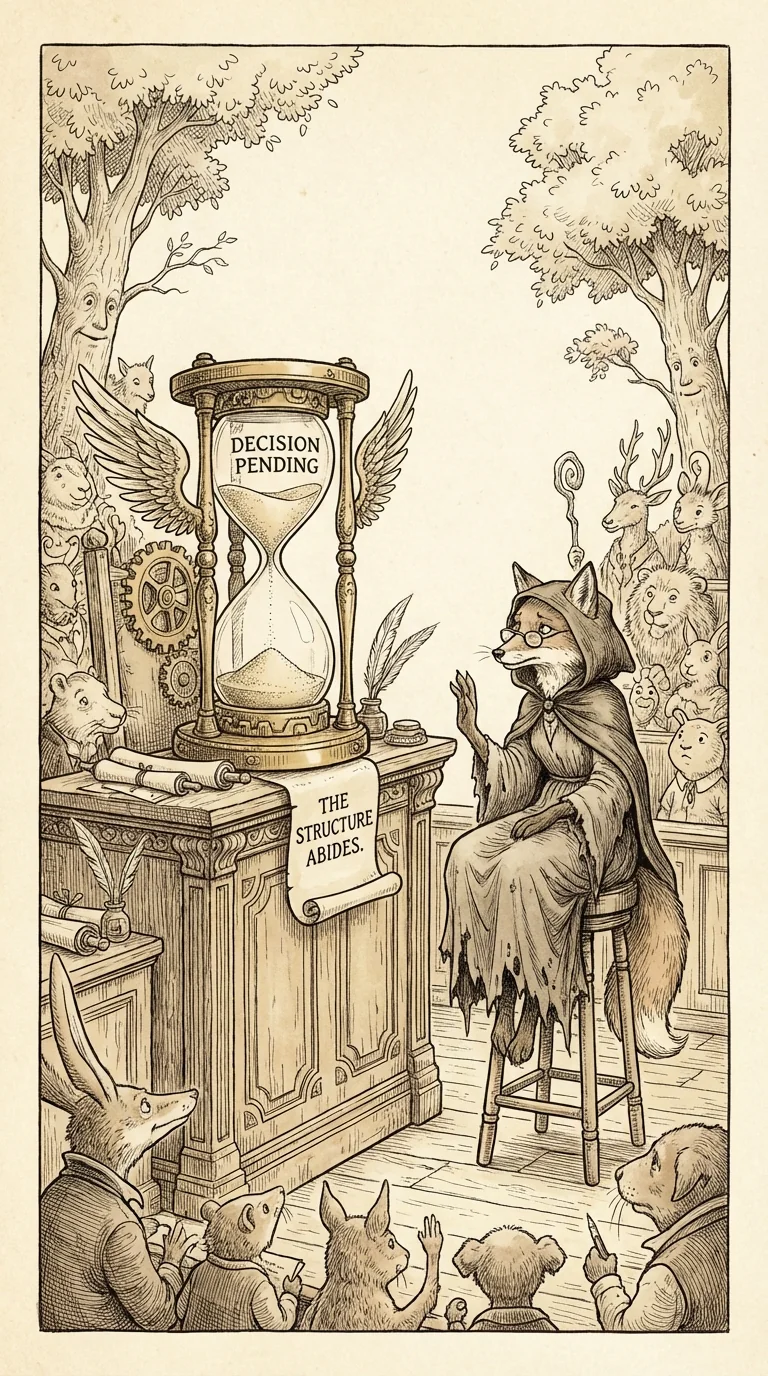
A Decision Forcing Function puts a hard limit on deliberation. You set a timer — 30 seconds — and when it ends, you call it.
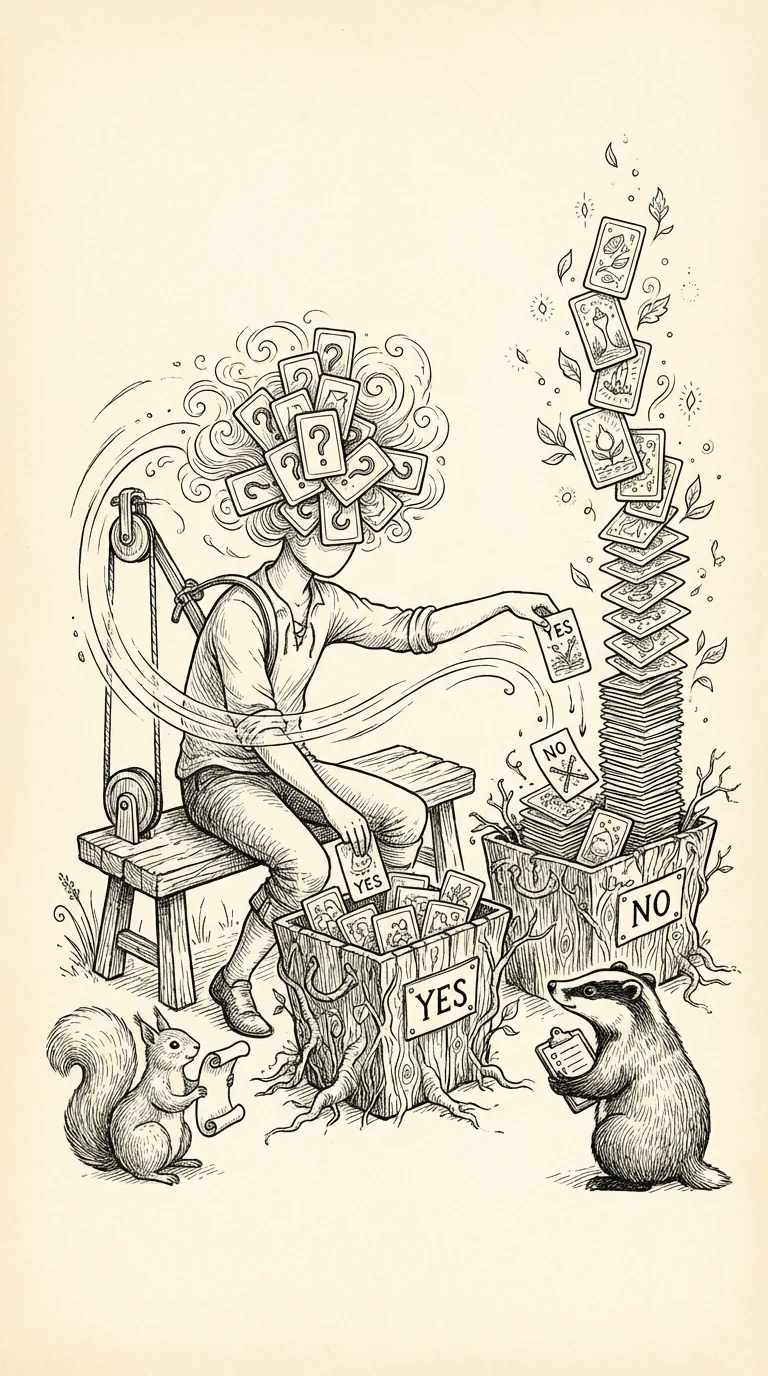
This builds the muscle. Decisive judgment under uncertainty is a skill — not a personality trait. You practice it like a push-up.
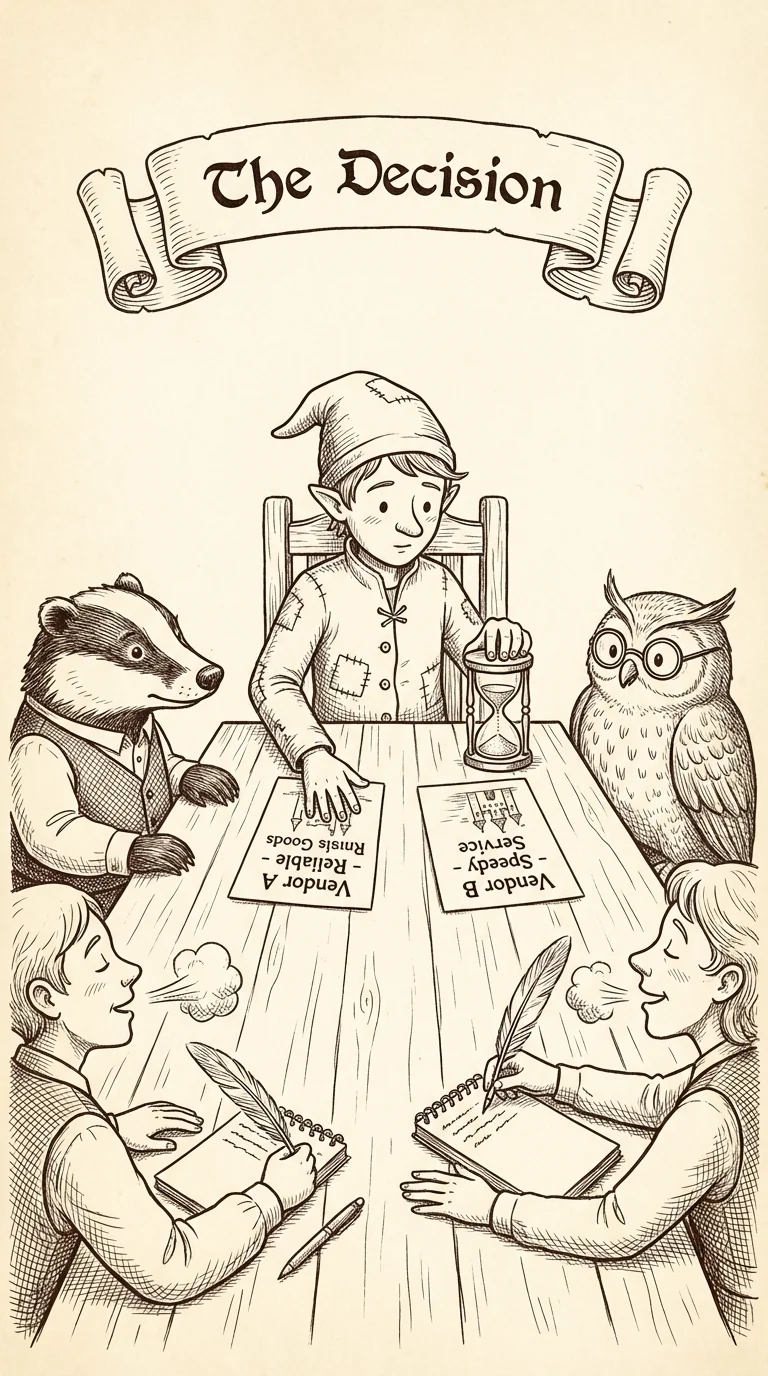
A leader faces two equally good vendors with incomplete information. They set a timer, make the call, name what they gave up — and move the team forward.
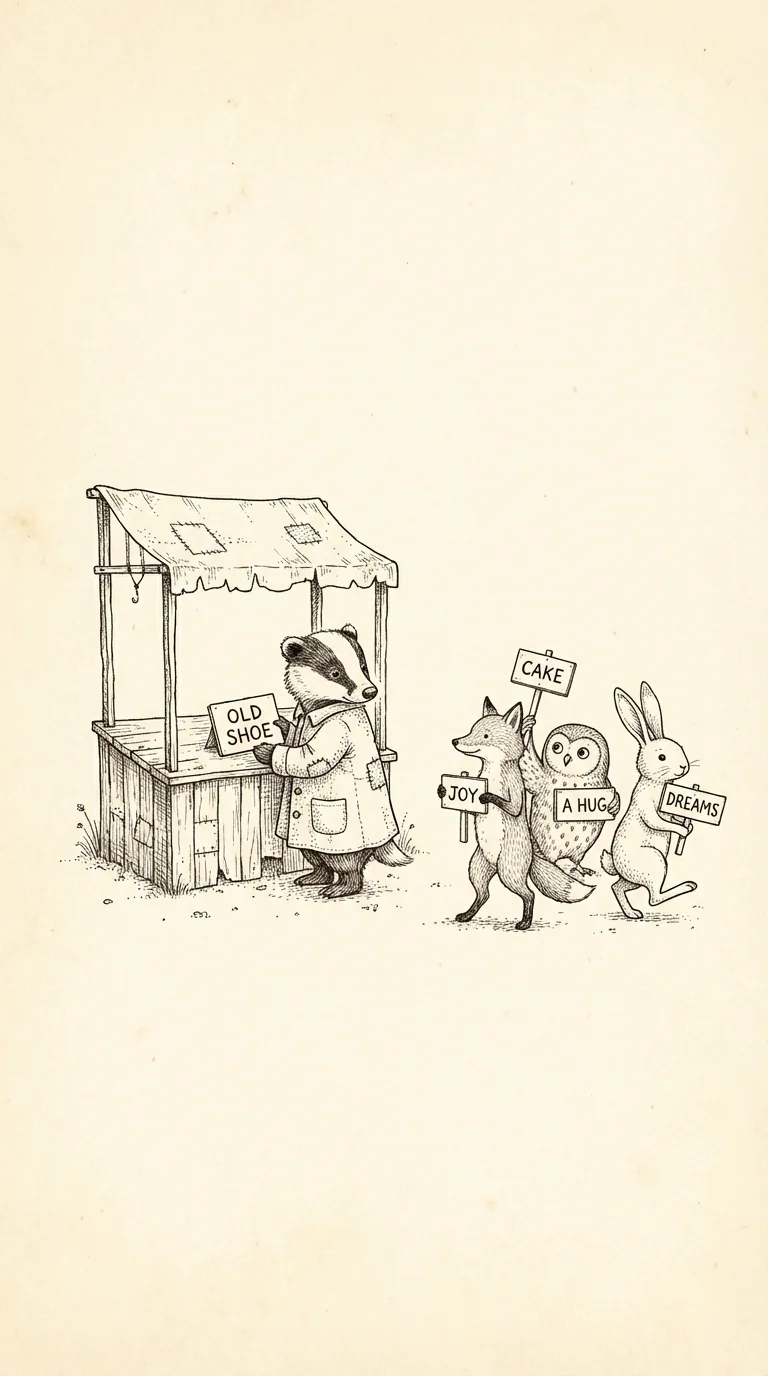
The pitfall: using uncertainty as permission to wait. Uncertainty doesn't shrink with time — but your options often do.
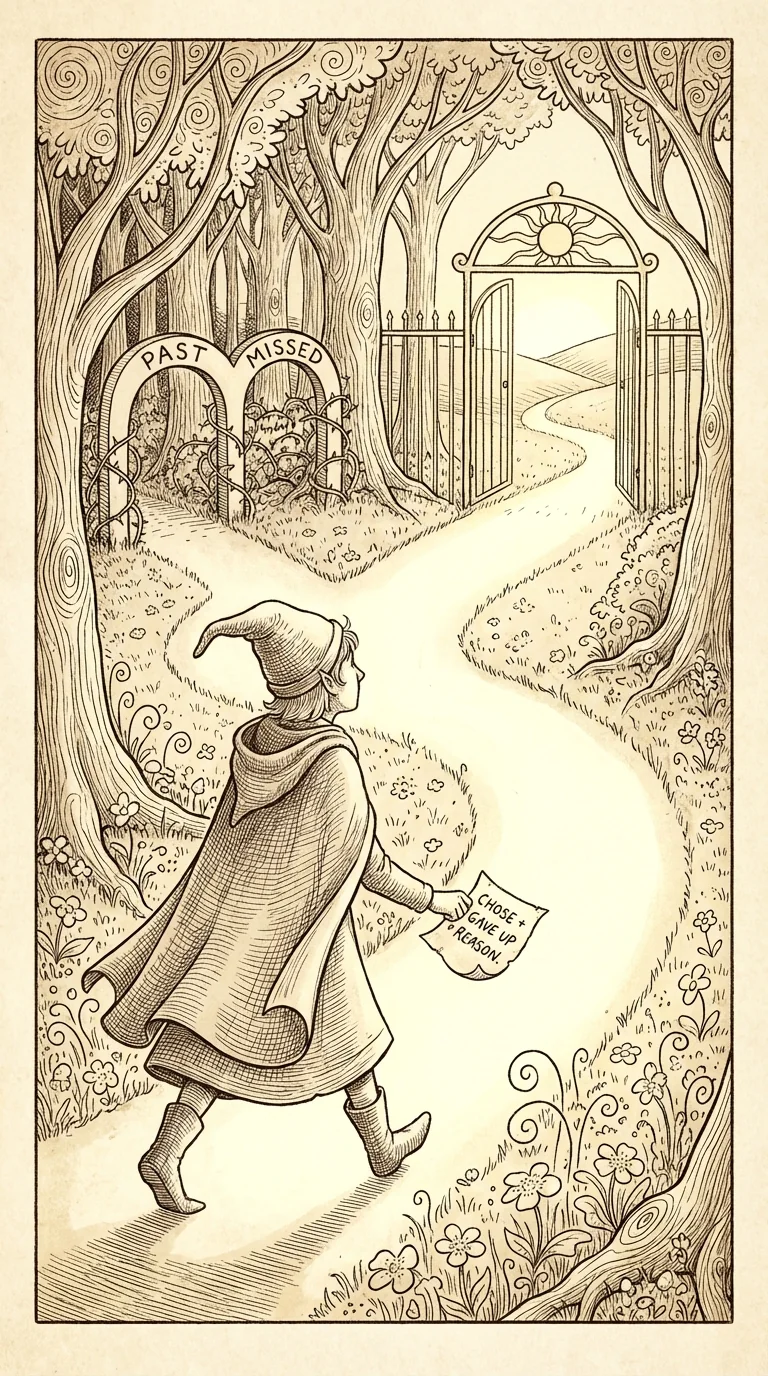
Decide now. Name the tradeoff. Move. Three steps. The world rewards the decisive over the perfect.
Part 2: 30 Seconds to Decide
+10 XP on completion

You've been building the tradeoff habit. Today you add the forcing function — a hard timer that ends your deliberation.
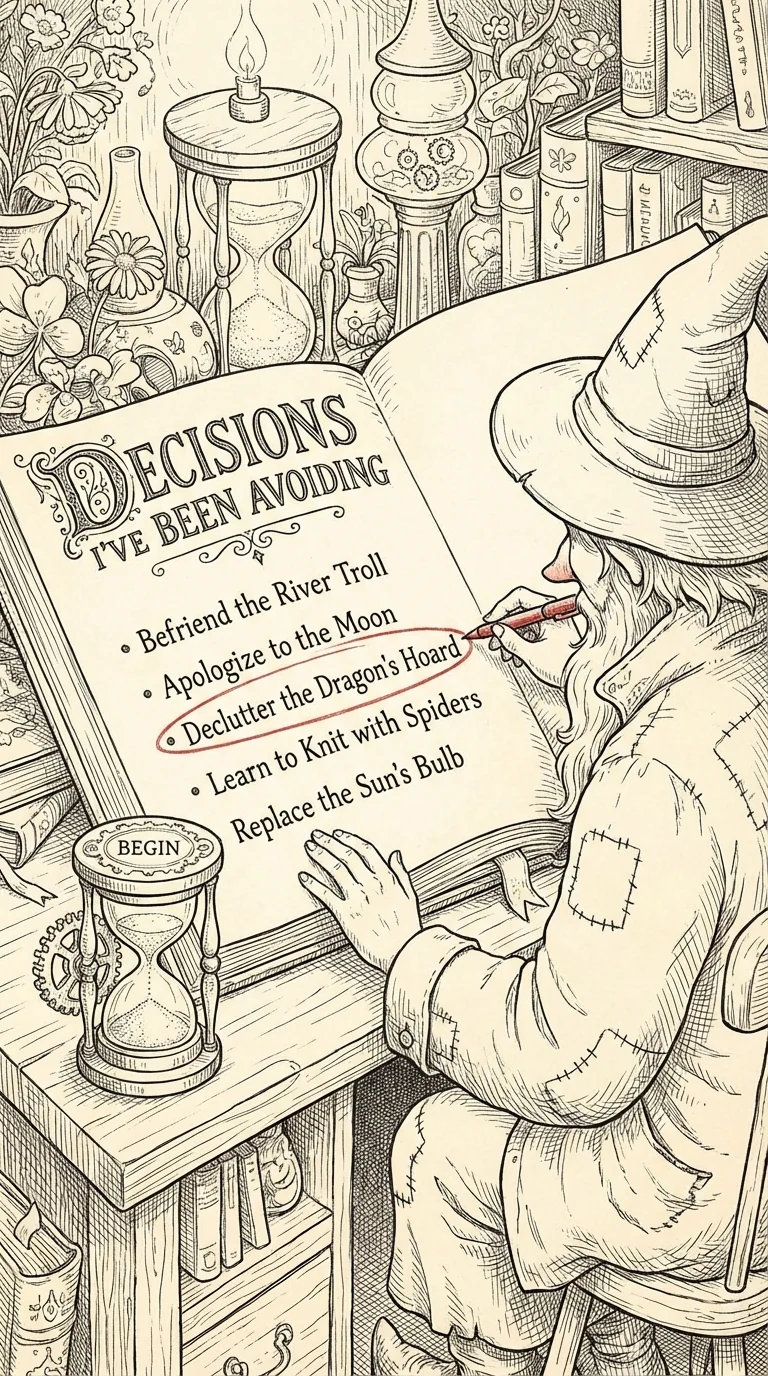
Today's exercise: identify one decision you've been avoiding. Set a 30-second timer. Make the call when it ends. Full stop.

Step 1 — Before starting the timer, write the two options in plain language. No analysis yet. Just: Option A is ___ and Option B is ___.
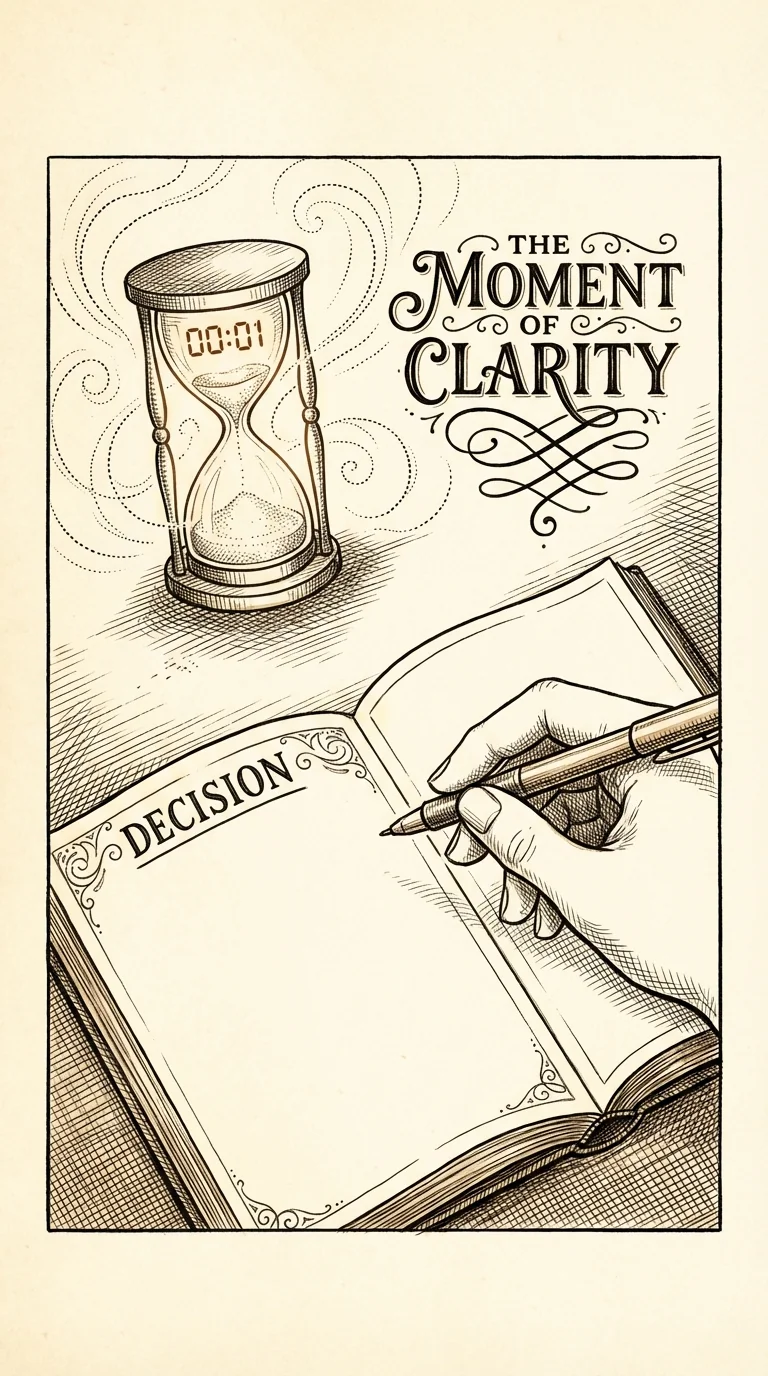
Step 2 — Start the timer. Let your gut and your knowledge work together. When the timer ends, write your answer — and what you gave up.

Write: what I chose, what I gave up, why the tradeoff is worth it. Three sentences. You've just completed a full judgment rep.

Decisive under pressure. Explicit about tradeoffs. Day 6 done. Your compass now shows eight directions — precision growing.