The Momentum Principle
The hardest task first is usually the wrong move. Learn how ordering your bets to build proof before resistance mounts makes execution dramatically more likely to succeed.
Part 1: The Momentum Principle
+5 XP on completion

Don't start with the hardest task. Start with the easiest task that still moves you forward. Momentum is a force multiplier.
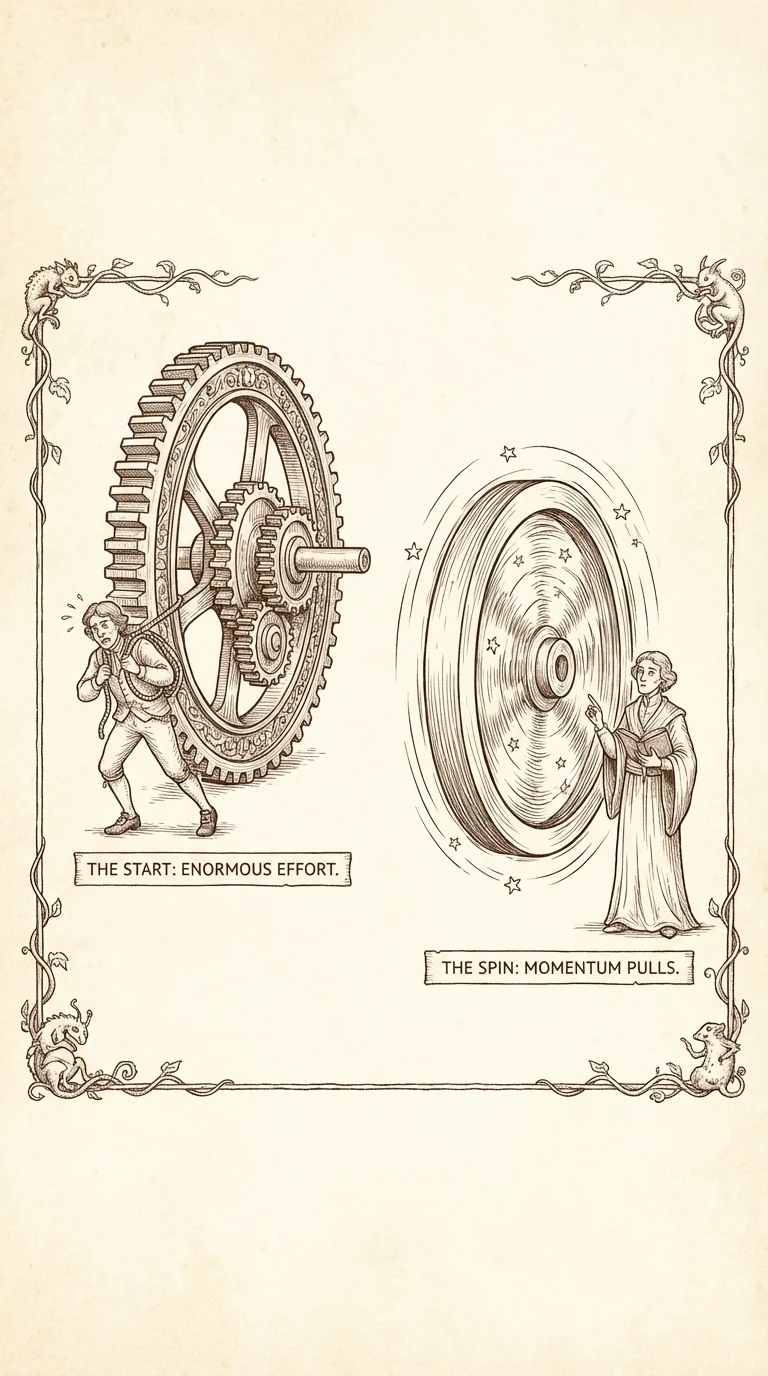
Momentum is energy. Once you're moving, finishing is far easier than starting was. The inertia is the enemy — not the work.

Sequence your bets to build proof before resistance mounts. Early wins create the evidence — and the confidence — to tackle what's hard.
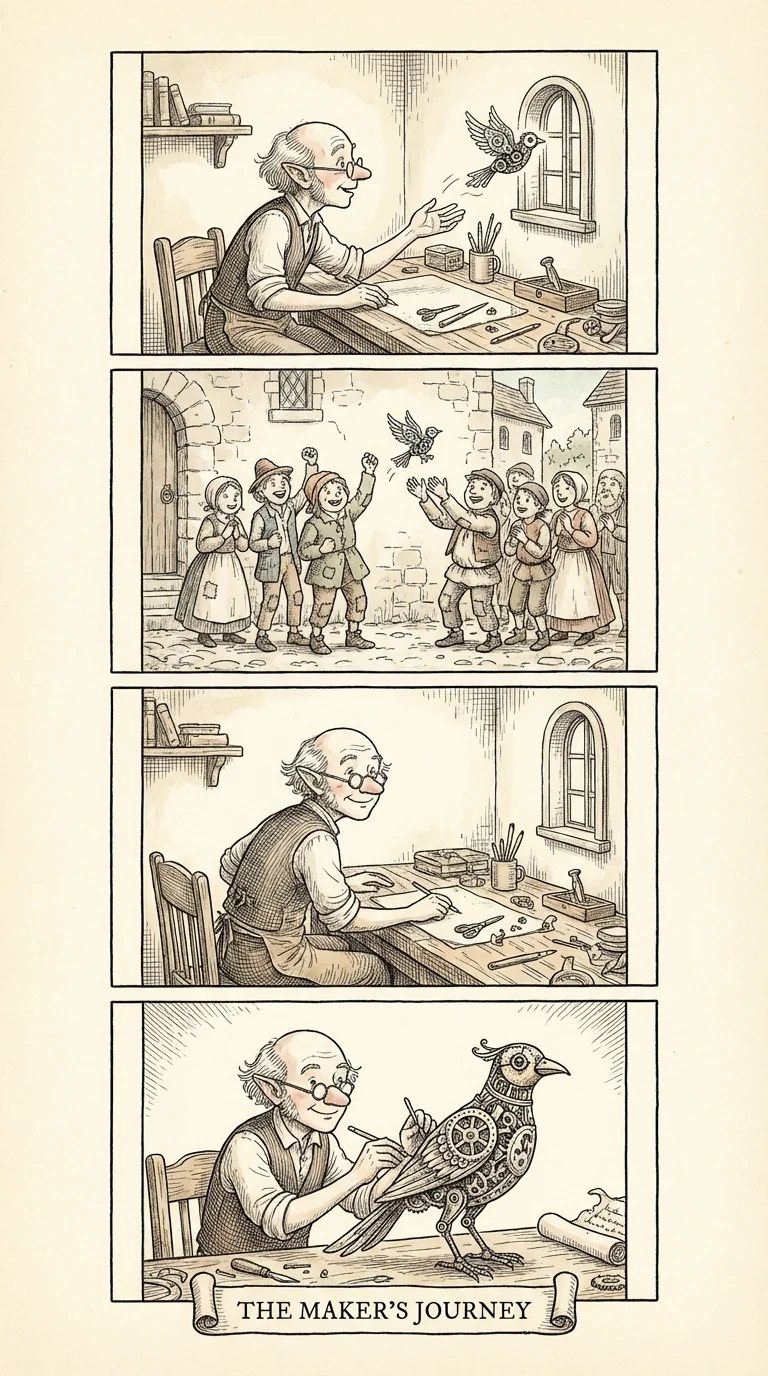
A project leader starts by shipping the easiest feature — not the marquee one. Users respond positively. Now the team has proof, energy, and permission to go bigger.
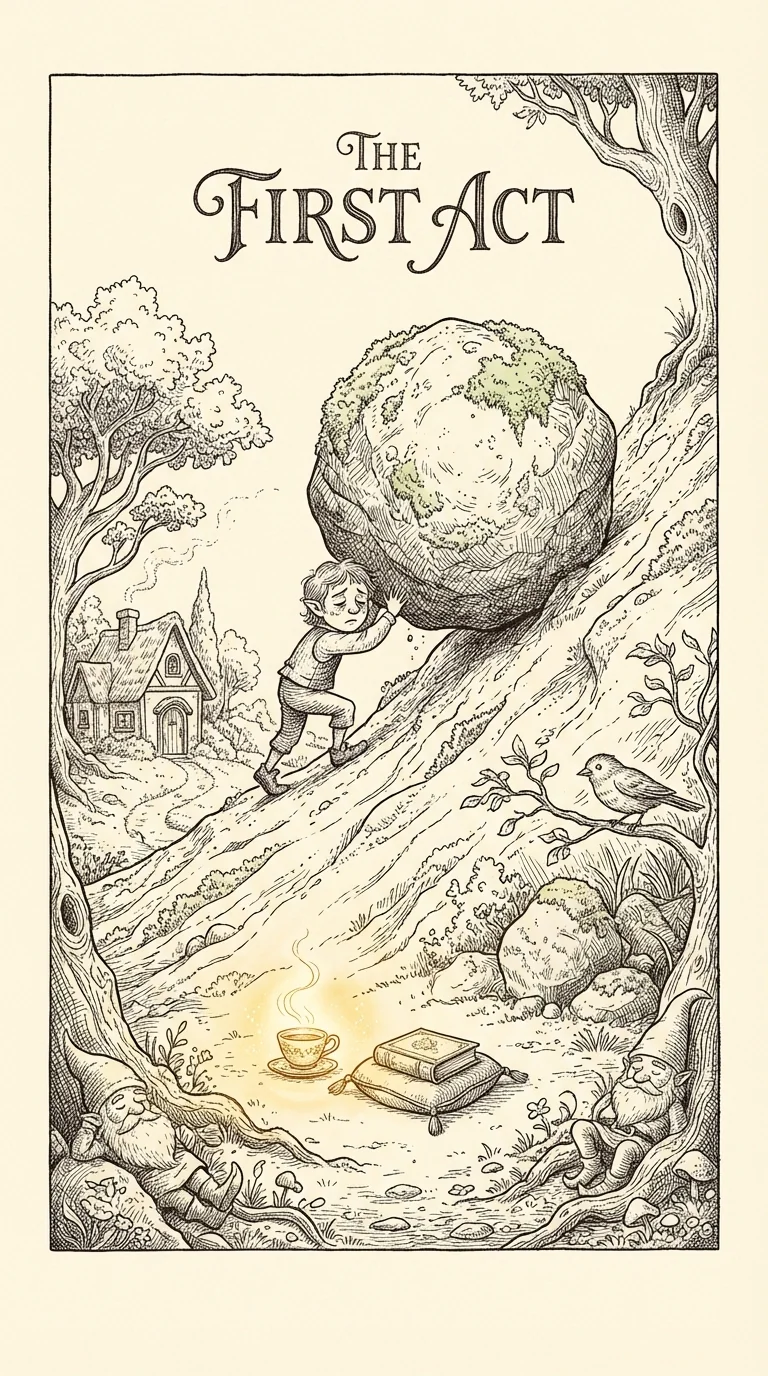
The pitfall: starting with the hardest task to "get it out of the way." This burns energy at maximum cost and produces no momentum.
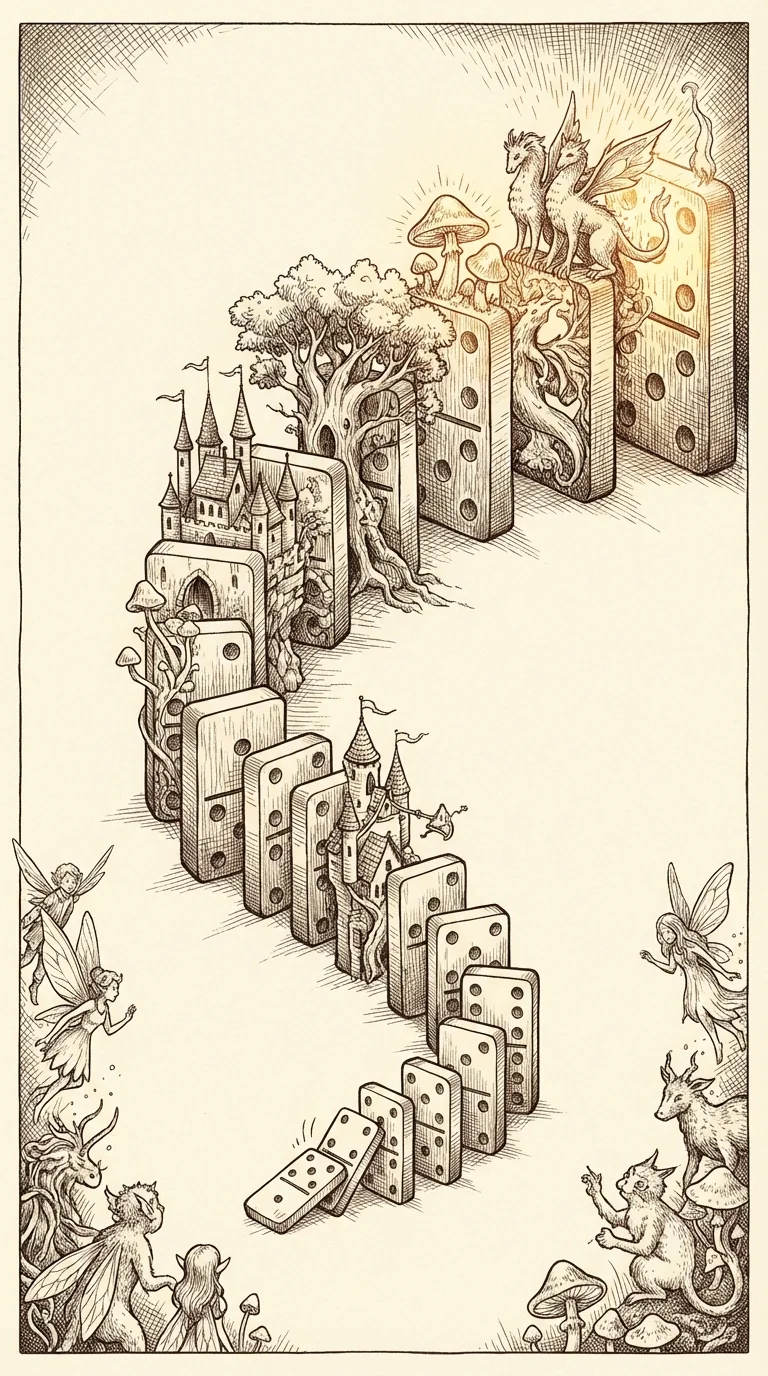
Start small. Win quickly. Use that win to fuel what comes next. Sequence is strategy.
Part 2: Sequence Your Next Project
+10 XP on completion
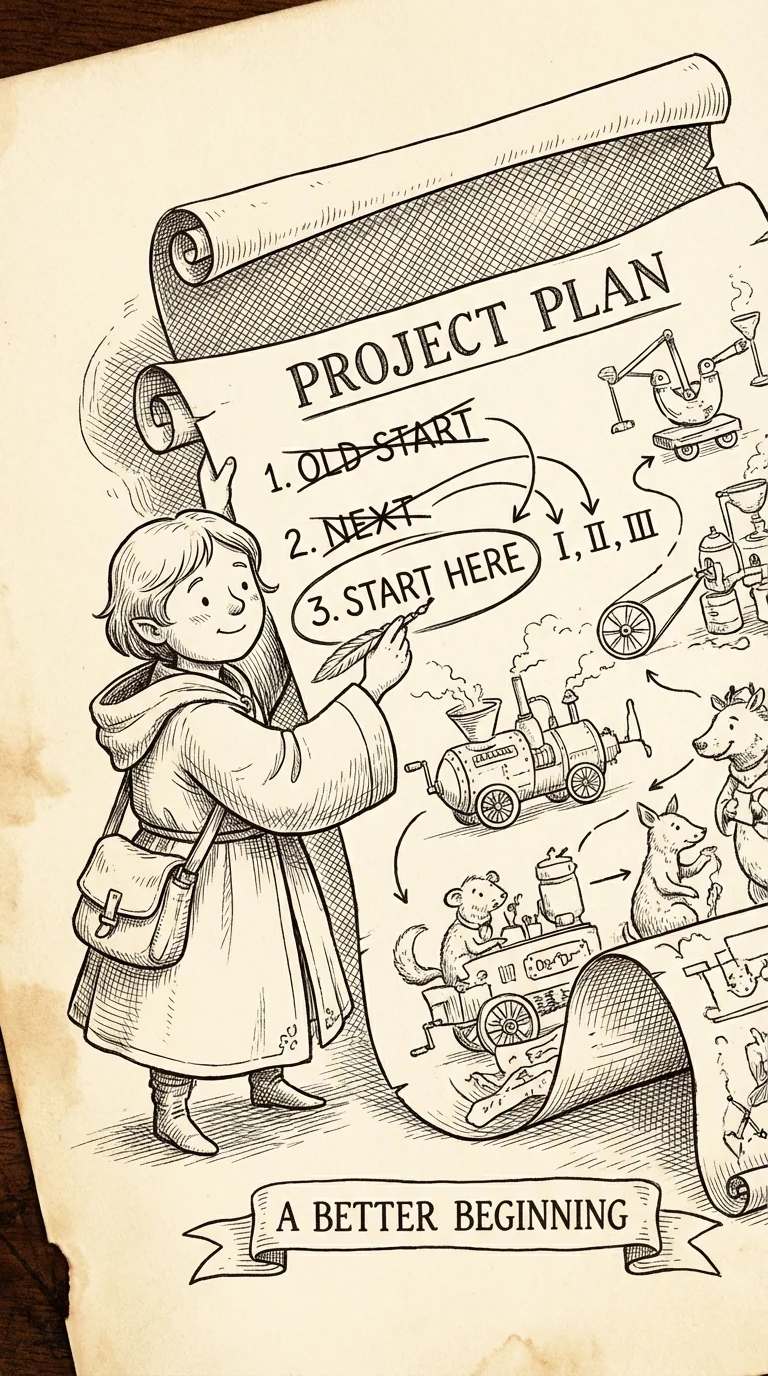
Momentum starts with the right first step. Not the impressive one — the one that actually gets you moving and builds proof.
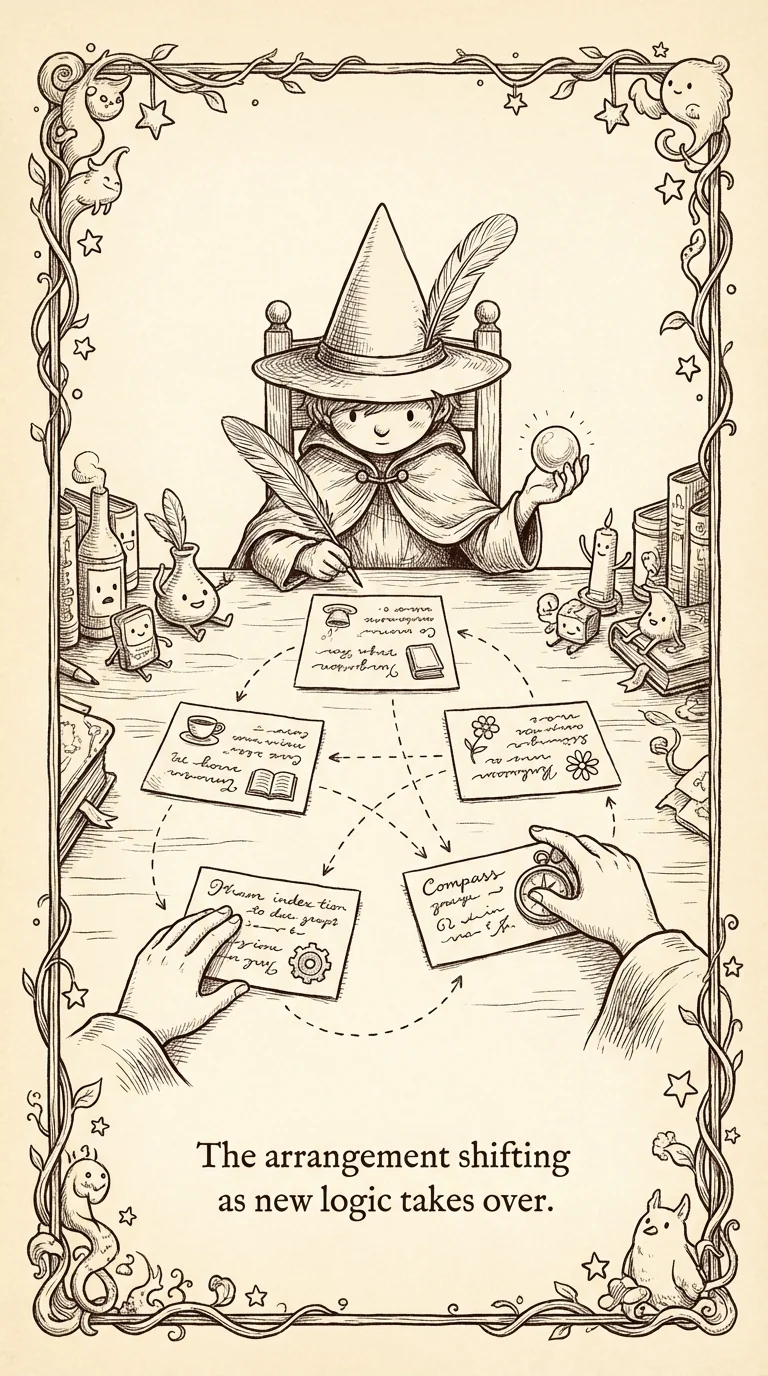
Today's exercise: list the next 5 tasks on one project. You're going to reorder them based on momentum — not habit or fear.
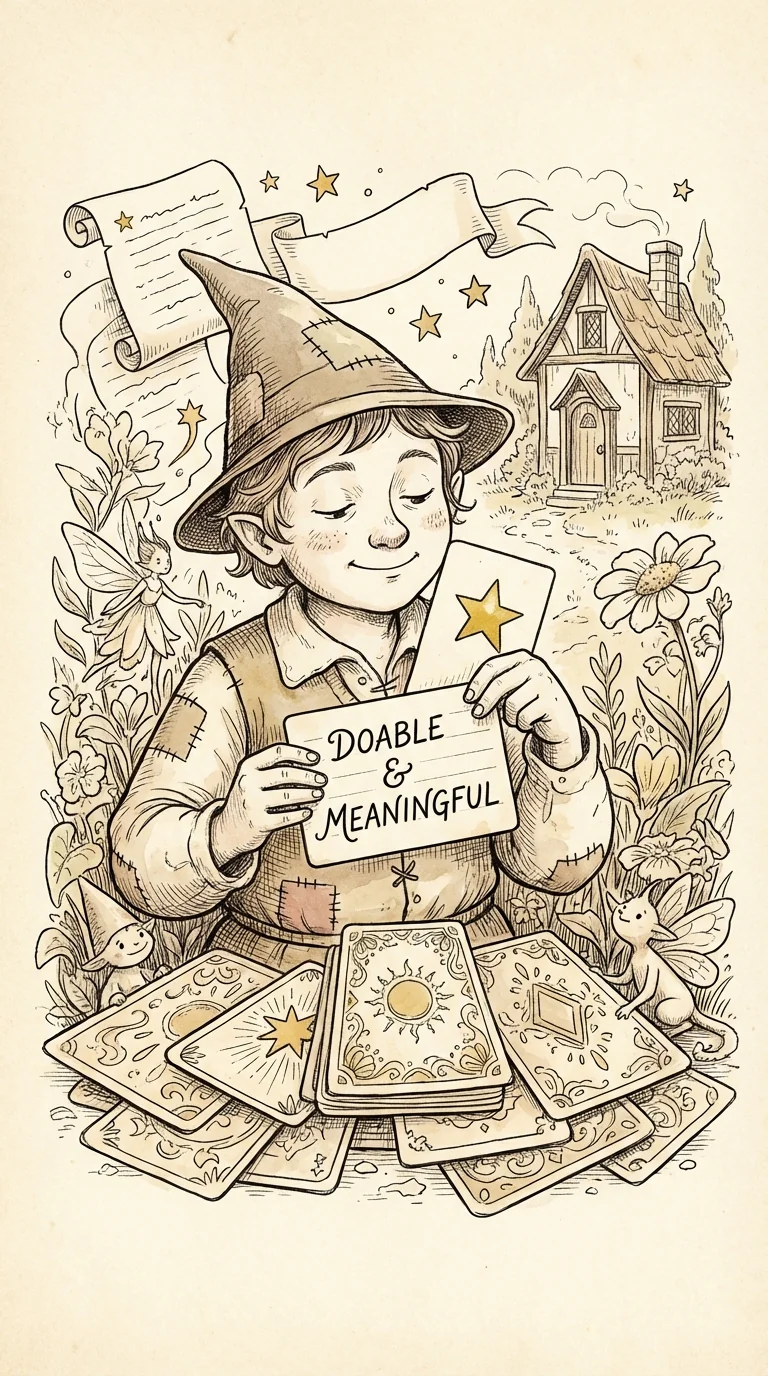
Step 1 — Identify which task is easiest AND still valuable. Not trivial busywork — something real that you can finish and show.
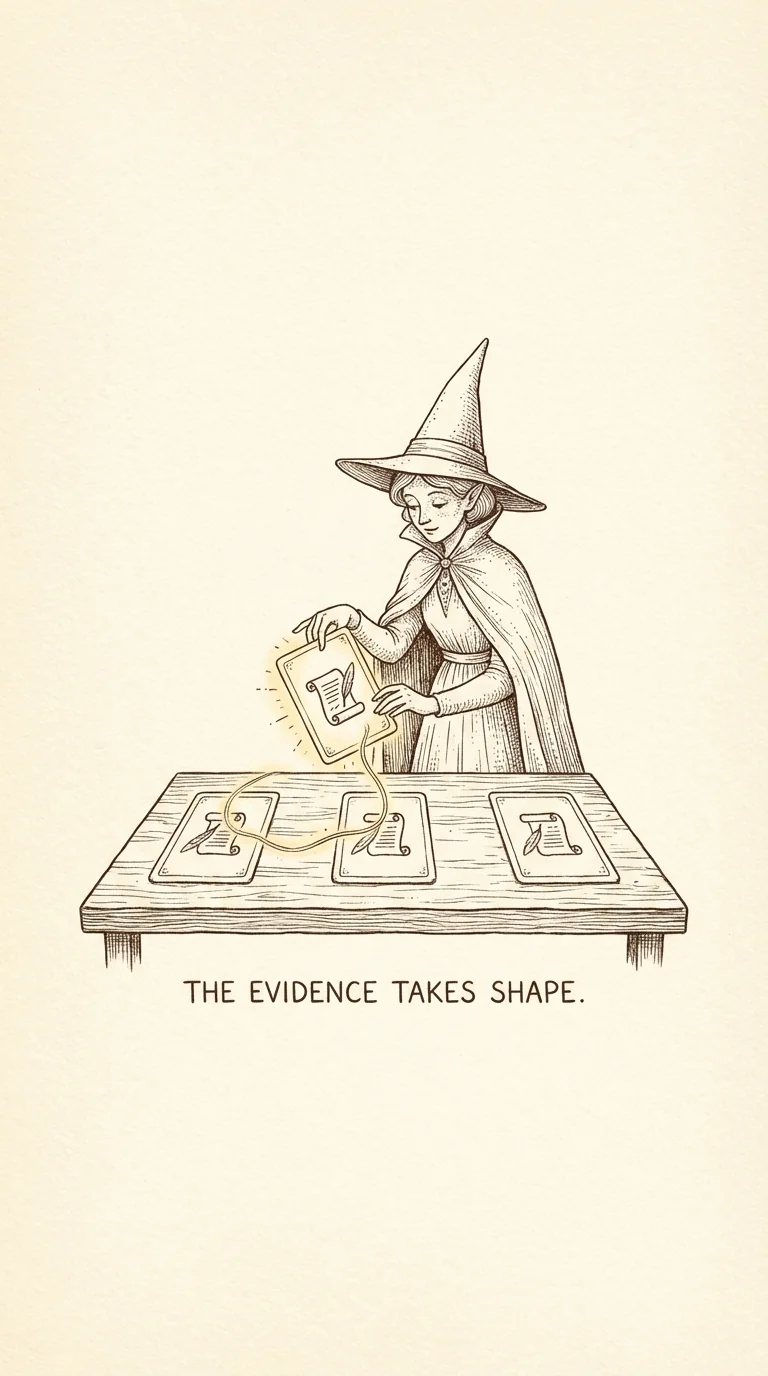
Step 2 — Which task builds the proof you need before asking for buy-in? Do that second. Evidence first, ask second.
Commit: start task one — your easy-and-valuable task — before this day ends. Just start. Even 20 minutes counts.

You sequenced for momentum. The compass rose emerges — a symbol of structure beneath direction.