Writing Is Thinking
In your head, ideas feel complete. They’re not. Writing forces you to define the specifics you’ve been avoiding. One sentence — “I’m leaning toward X because…” — reveals everything.
Part 1: Writing Is Thinking
+5 XP on completion
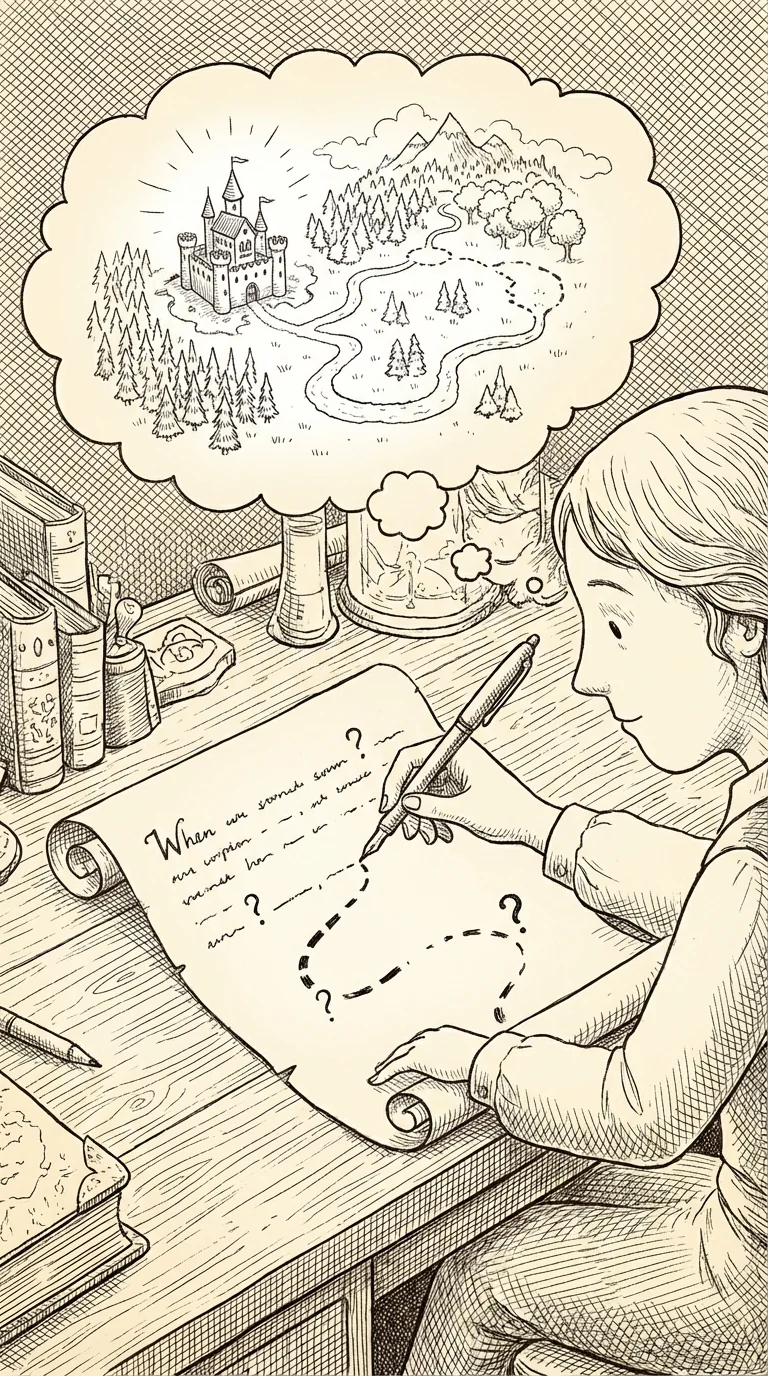
In your head, your ideas feel complete. On paper, the gaps reveal themselves. Writing is how you find out what you actually think.
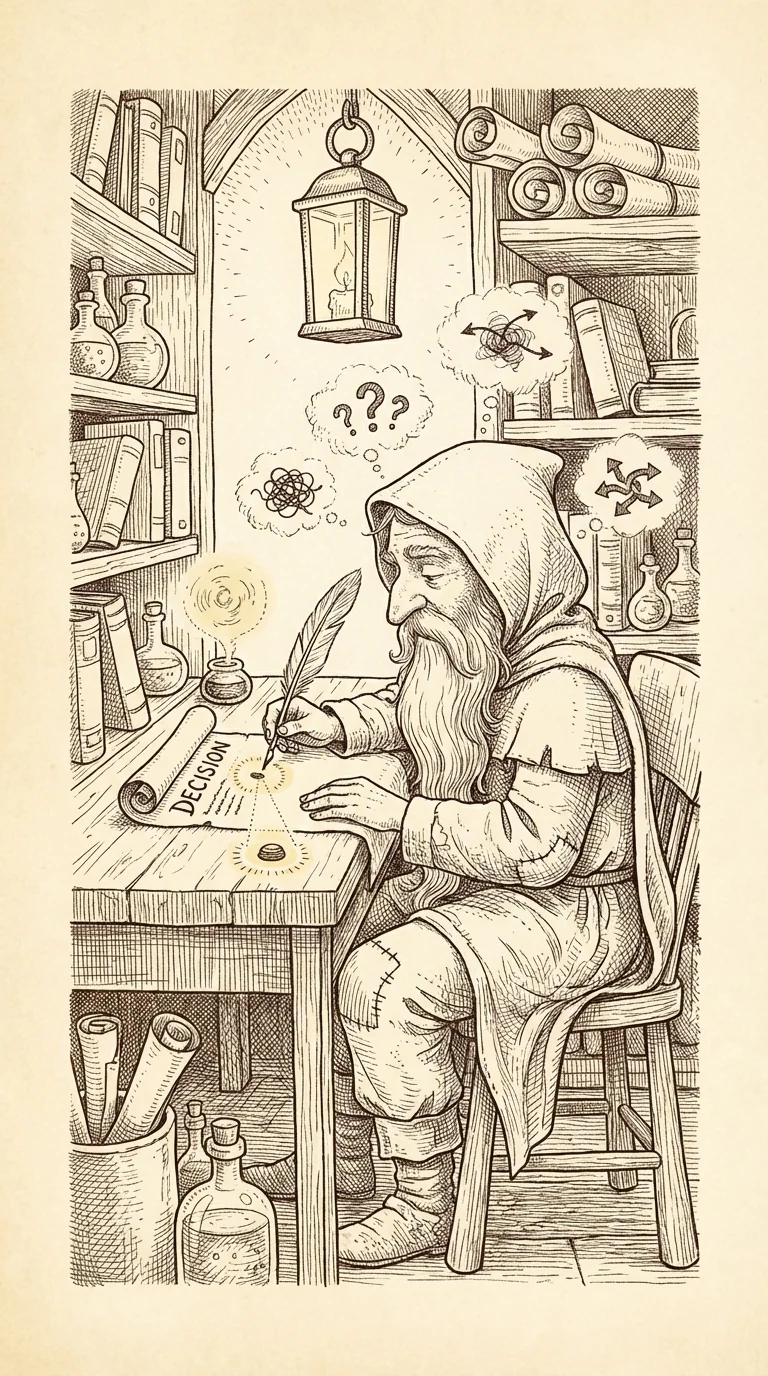
Writing exposes gaps in reasoning. You must define specifics: dates, numbers, names, reasons. Vagueness has nowhere to hide.
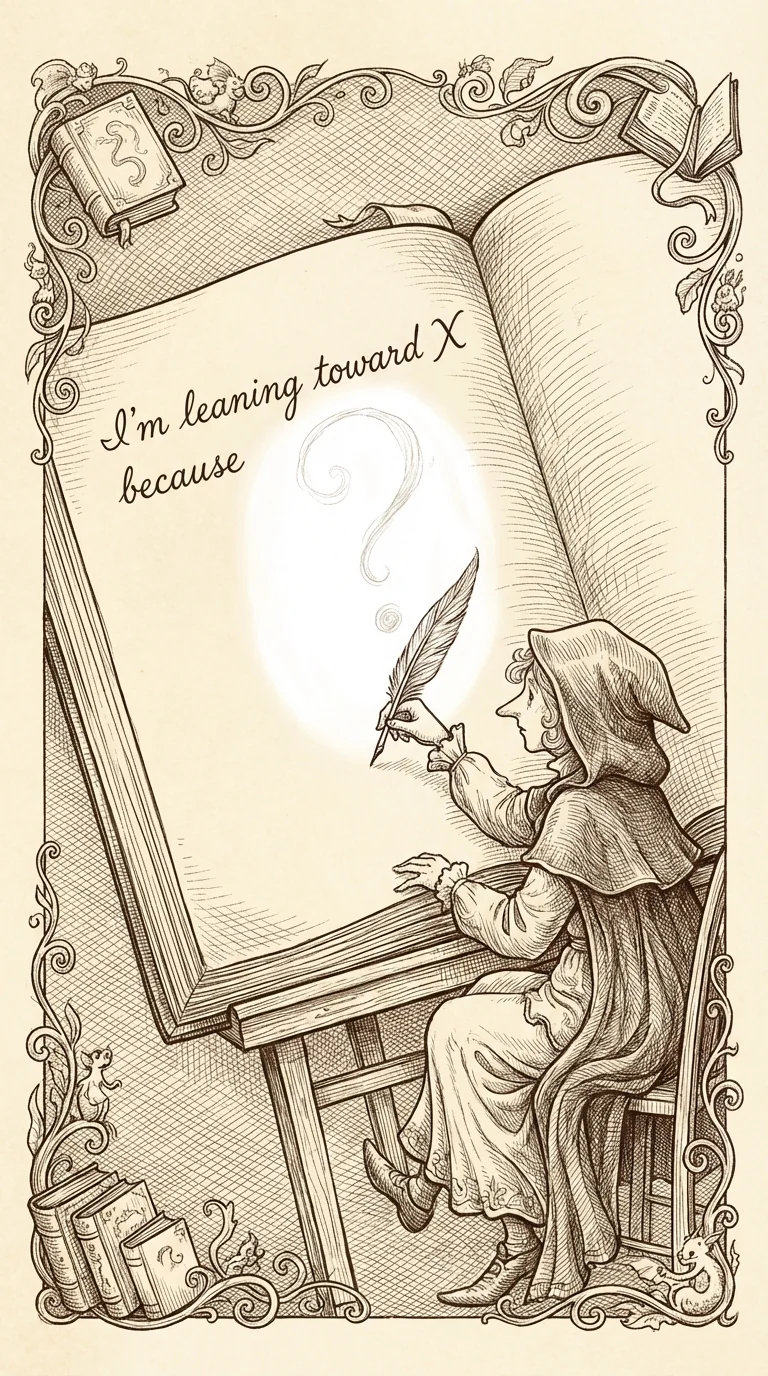
"I'm leaning toward X because..." — finish that sentence on paper and you'll immediately see whether your reasoning is solid or shaky.
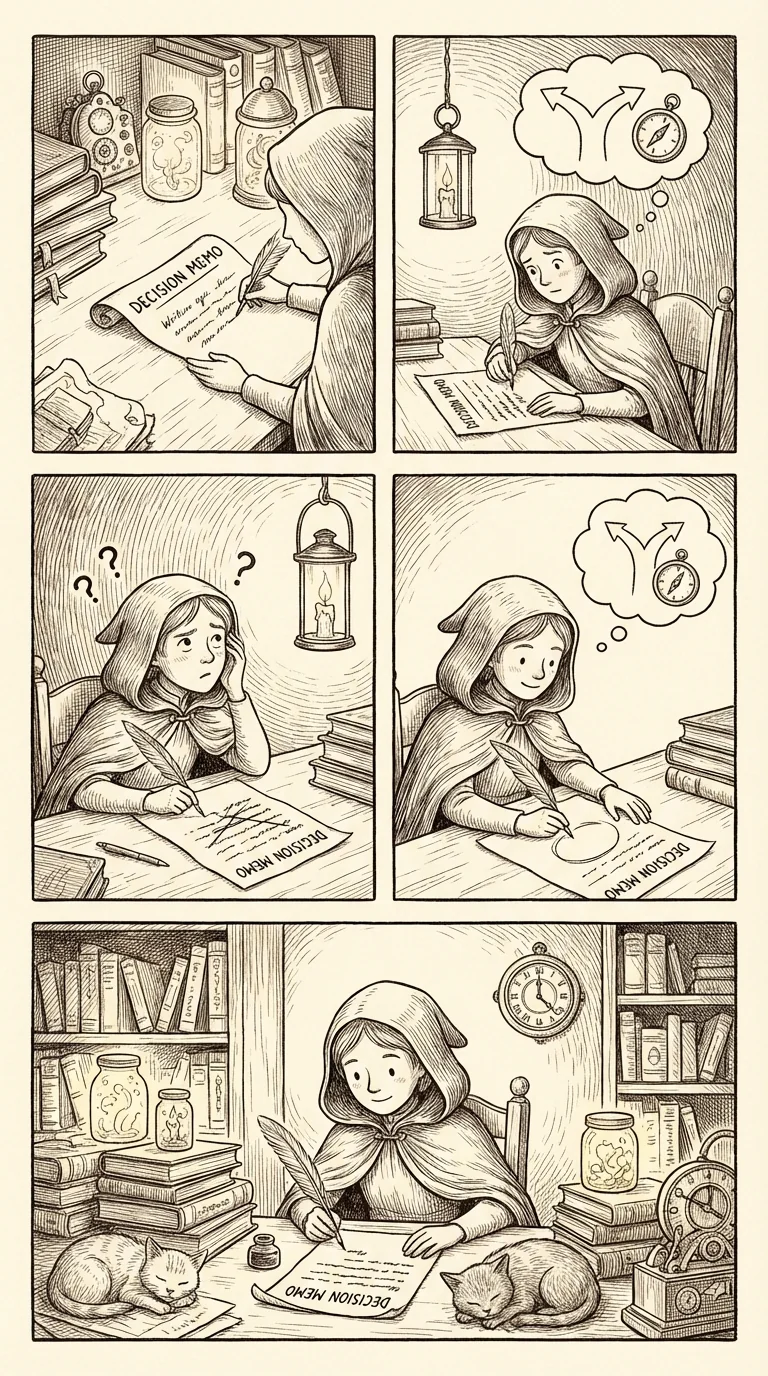
A manager writes her rationale for a budget cut. Halfway through the second paragraph, she realizes she can't actually justify it. She changes the decision.
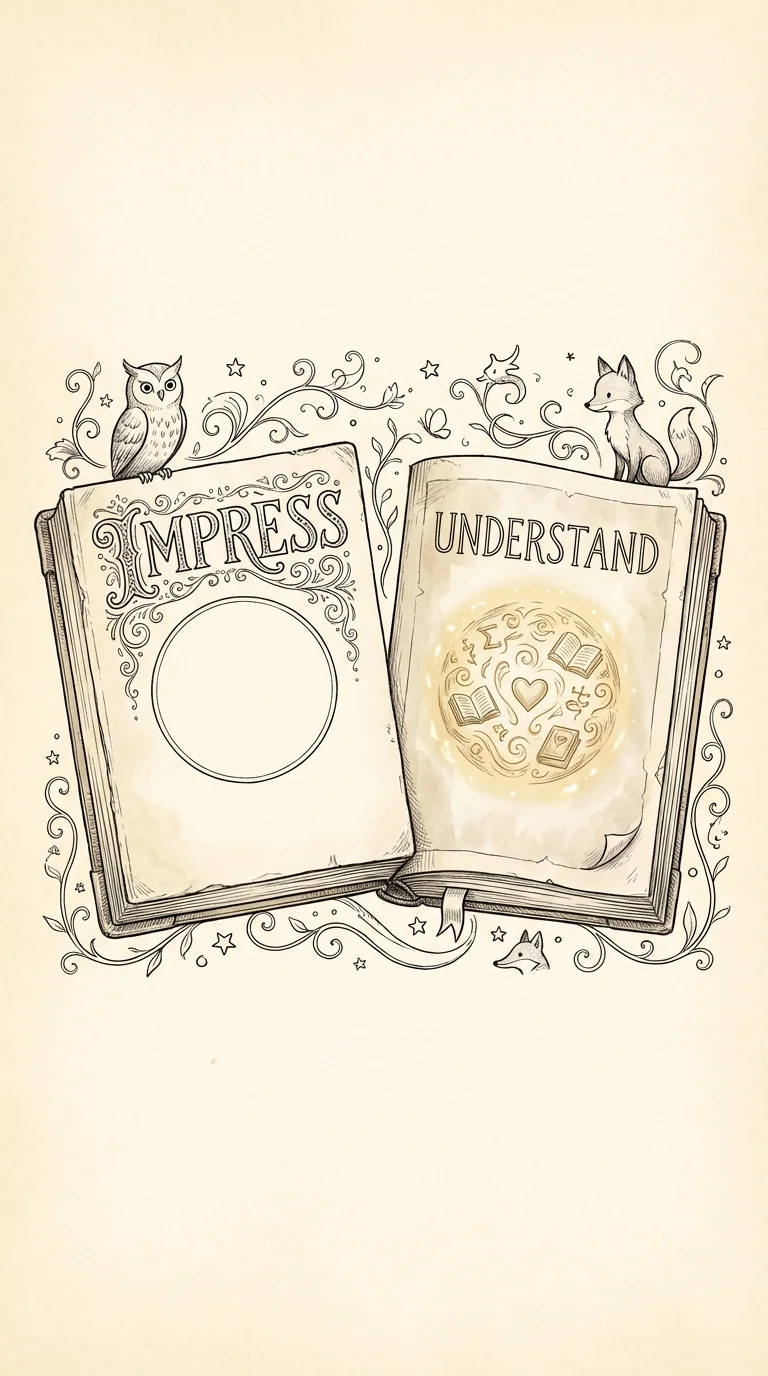
The pitfall: drafting is not the same as thinking. Writing to impress hides the gaps. Writing to understand finds them.
Write to think. Think to decide. Decide to lead. The pen is the instrument of judgment.
Part 2: The Written Decision
+10 XP on completion
Writing is how you test whether you actually understand your own reasoning. Today you write one decision from scratch.
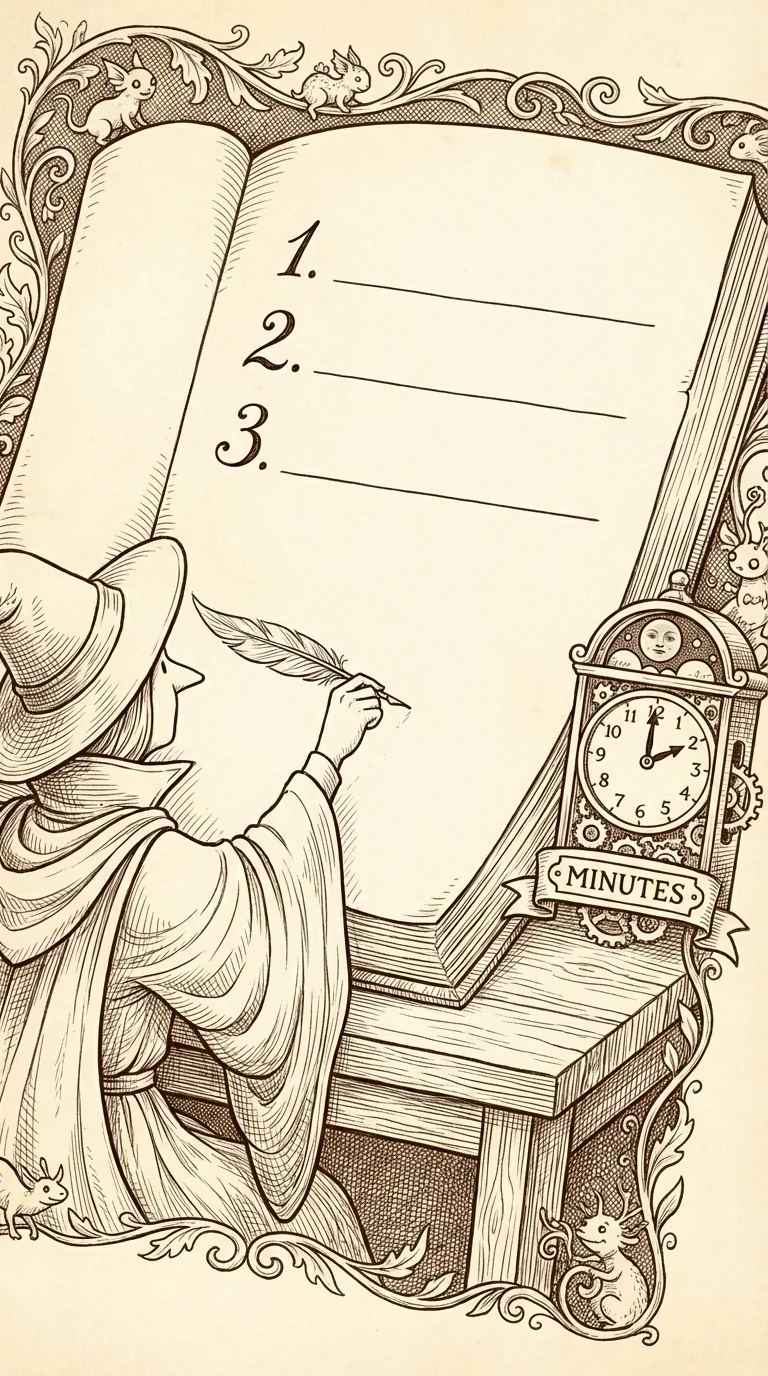
Today's exercise: pick one real decision you're facing. Answer three questions on paper. Take 10 minutes. No shortcuts.
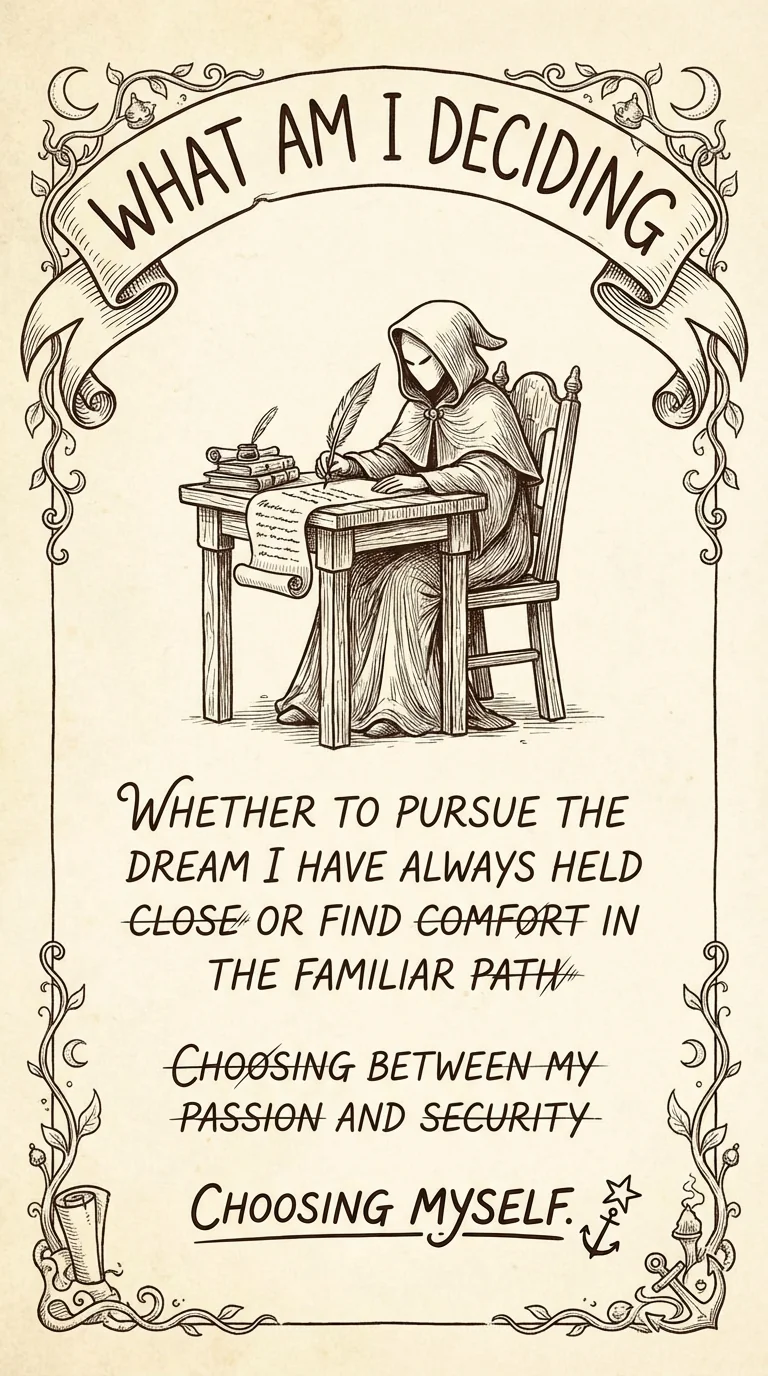
Question 1 — What am I deciding? Write it in one sentence. If you can't say it in one sentence, you haven't clarified it yet.
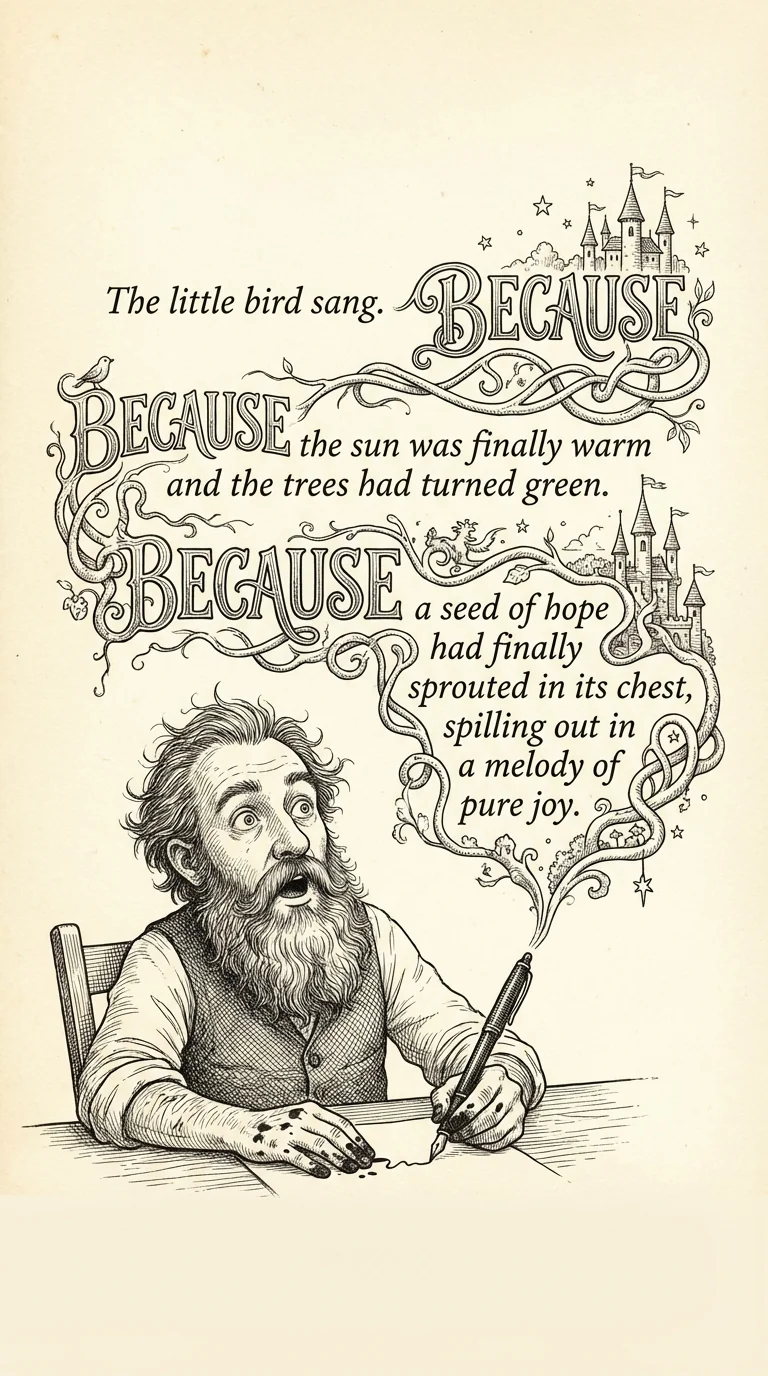
Question 2 — "I'm leaning toward [option] because..." Write the full because. Don't stop until the sentence proves or disproves your instinct.
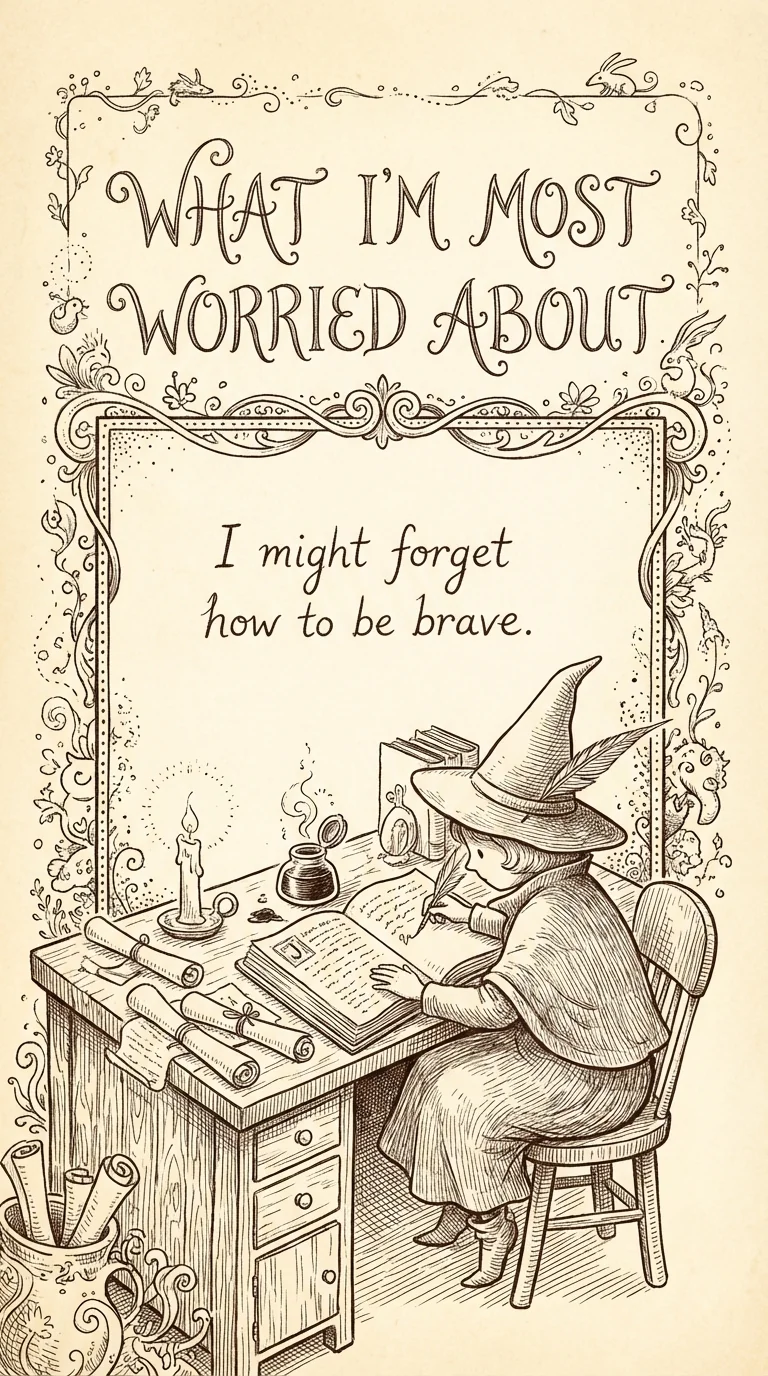
Question 3 — What am I most worried about? Write it honestly. Your worry is data. It often points to the thing you haven't solved yet.

You have written ten days of judgment. The engraving begins — your compass is becoming something lasting.