Assumptions vs. Opinions
An opinion is a belief without evidence. An assumption is testable. Learn to convert fuzzy opinions into falsifiable hypotheses — and test them in days instead of committing months.
Part 1: Assumptions vs. Opinions
+5 XP on completion

An opinion says 'I believe.' An assumption says 'I can test.' Only one of these leads to better decisions.
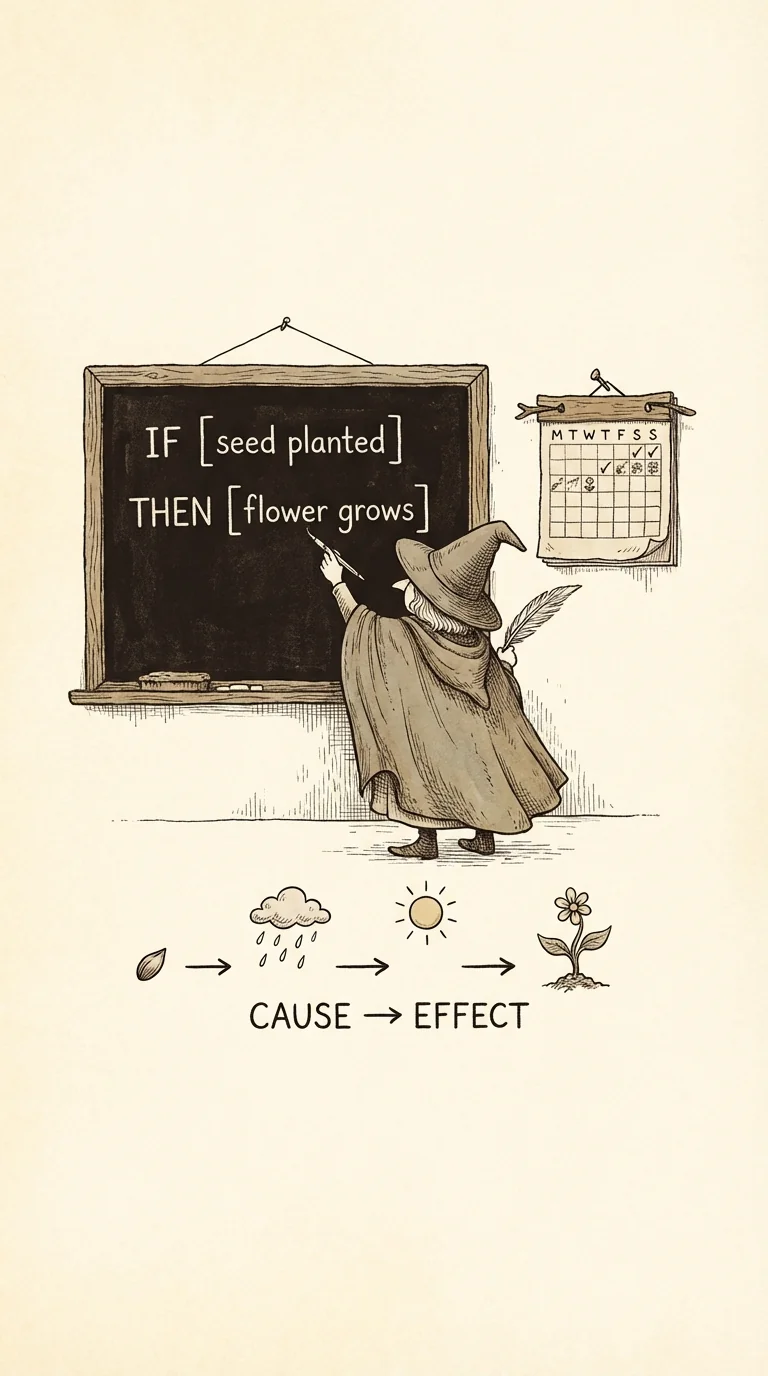
A testable assumption follows this form: If I do X, then Y will happen — and I can prove it within one week.

Why this matters: testing assumptions in days prevents wasting months on strategies that don't work.
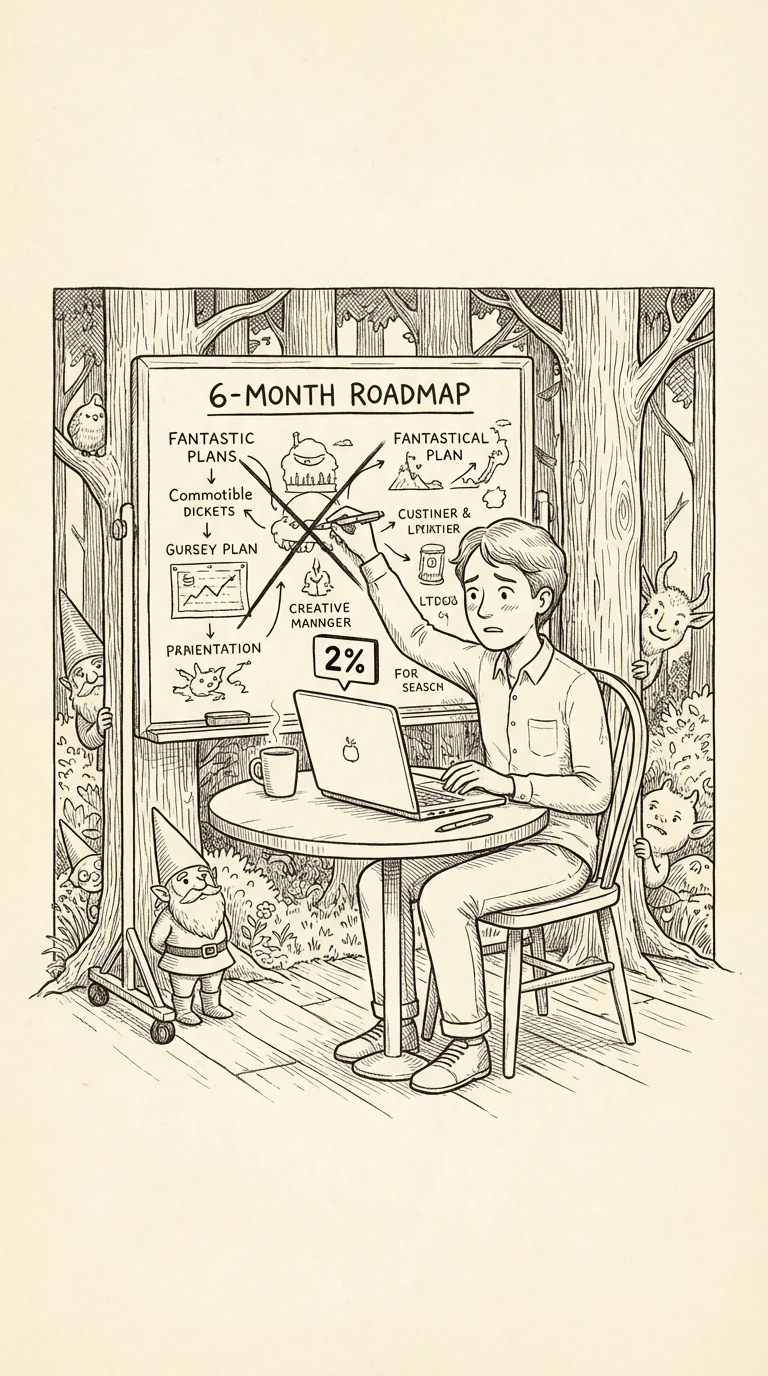
A startup assumed customers wanted feature X. They tested in 5 days with a landing page — only 2% clicked. Saved six months.

Pitfall: treating your assumptions as already-proven. Strong feelings about what's true are your biggest testing blind spot.

Great judgment tests assumptions in days before committing months. Make your beliefs earn their place.
Part 2: Write Your Testable Assumption
+10 XP on completion
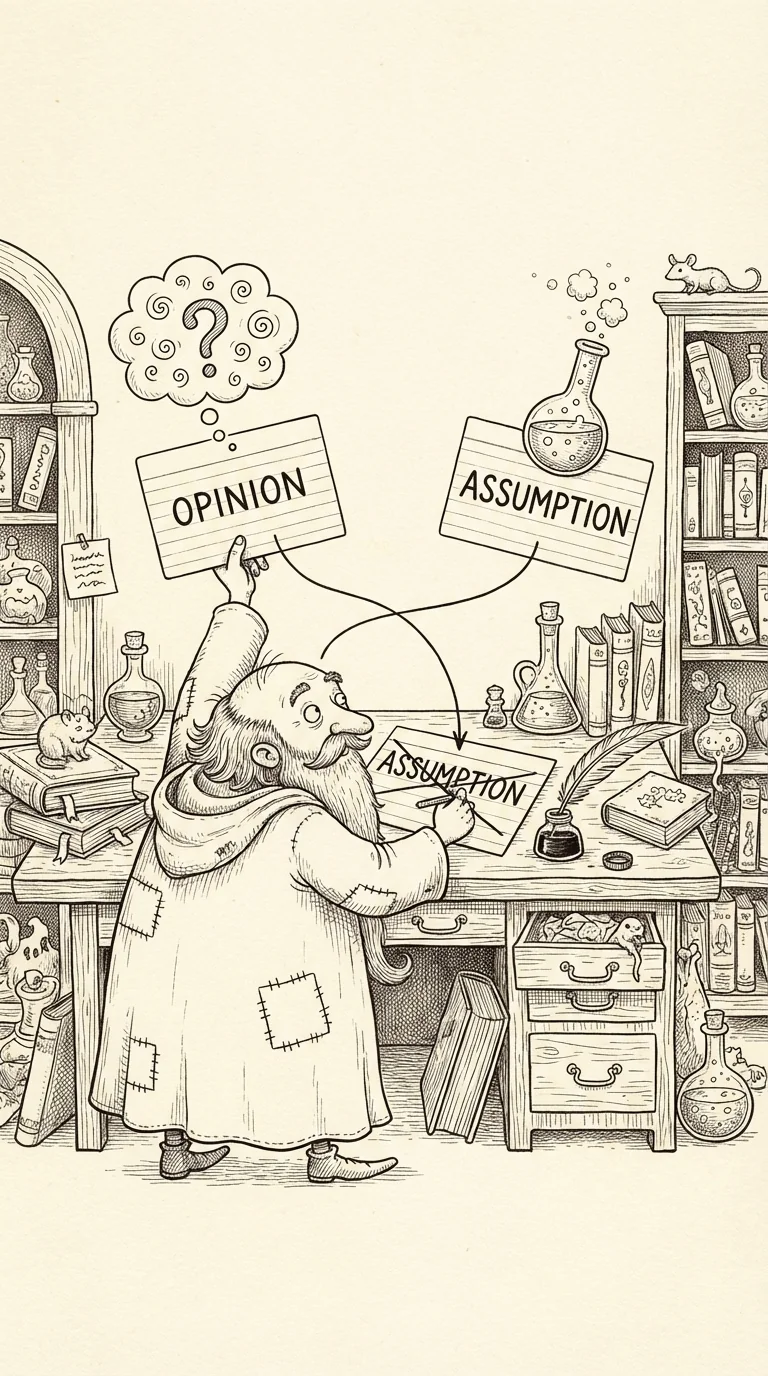
An opinion can't be tested. An assumption can. Today you convert one into the other.

Today's practice: pick something you currently believe about a project or decision.
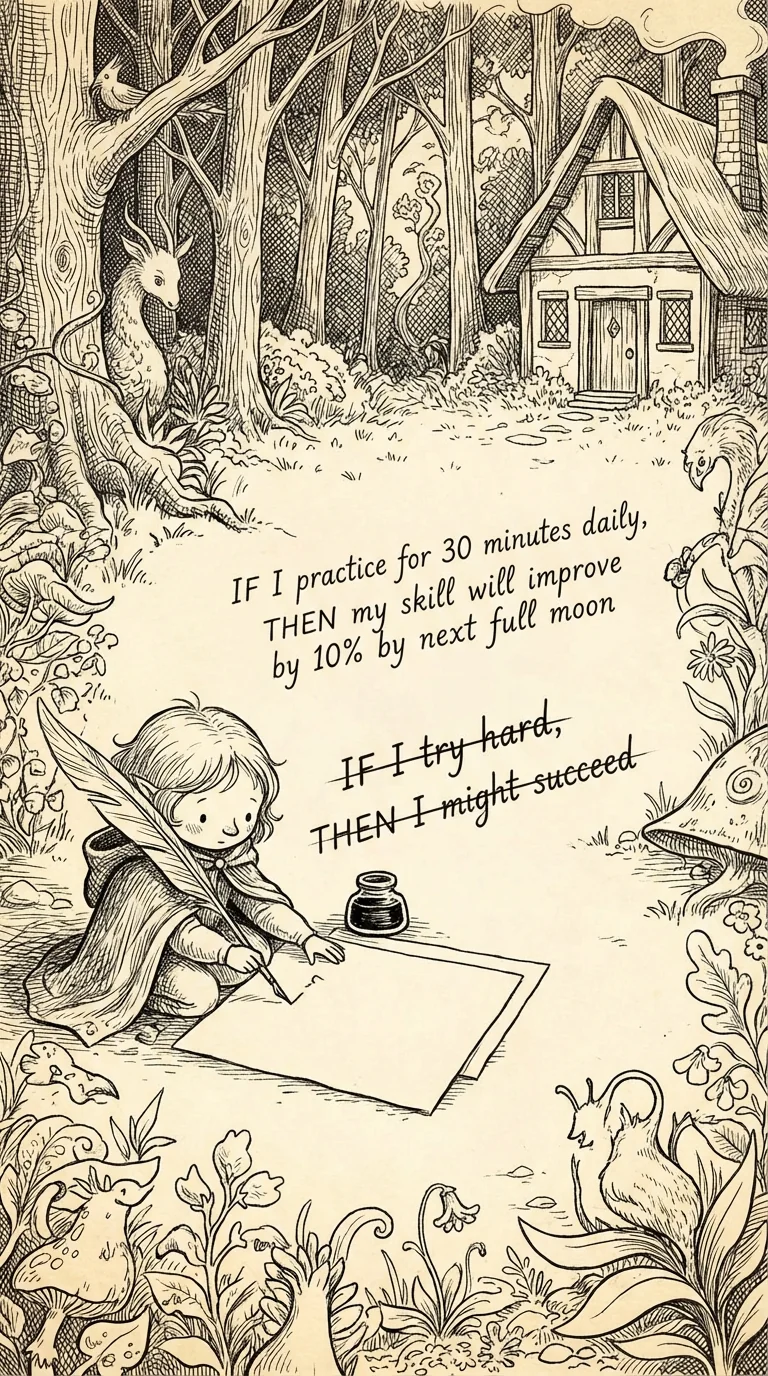
Step 1: write your belief as a testable statement — If I [do X], then [Y will happen].

Step 2: add the test. 'I can prove this by [specific action] within [timeframe].' Make it real and soon.

Commit: write one testable assumption today. Run the test this week. Let data replace opinion.

A compass that has been tested points truer. Every assumption you prove sharpens your judgment for the next decision.