The 3-Scenario Method
Stop doing analysis that paralyzes. Test any strategy against three scenarios in minutes — and find out which path actually fits your context before you commit.
Part 1: The 3-Scenario Method
+5 XP on completion

You can't predict the future. But you can run three scenarios and see which path your context makes most likely.

Scenario testing: if I do X, what happens? If Y? If Z? Three scenarios reveal which path actually fits your context.

Best case, realistic case, worst case. You need all three. Without worst case, you're planning for the world you wish existed.
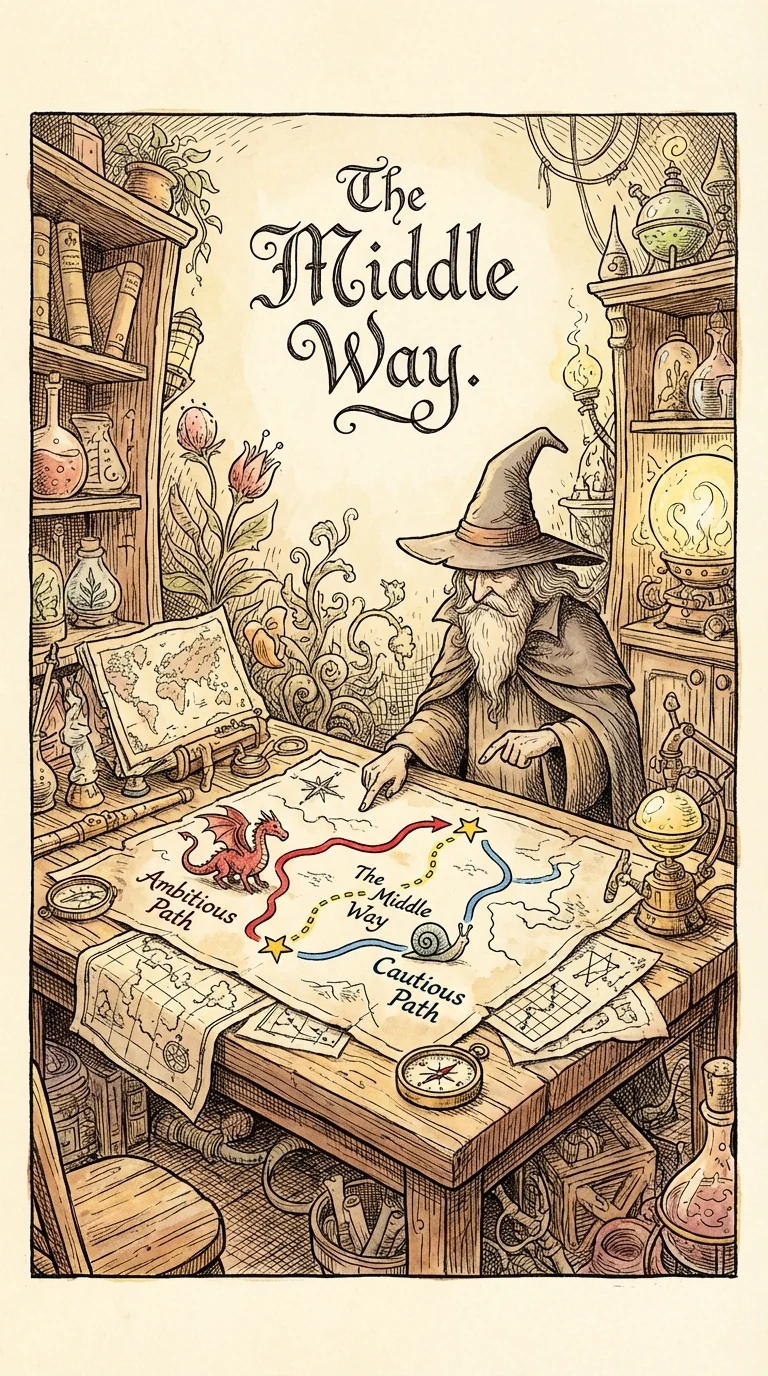
A leader considers two options: launch now or wait three months. Running all three scenarios reveals the realistic path is "launch with limits."

The pitfall: analysis paralysis. Don't run twelve scenarios. Three is enough. More scenarios delays the decision without improving it.
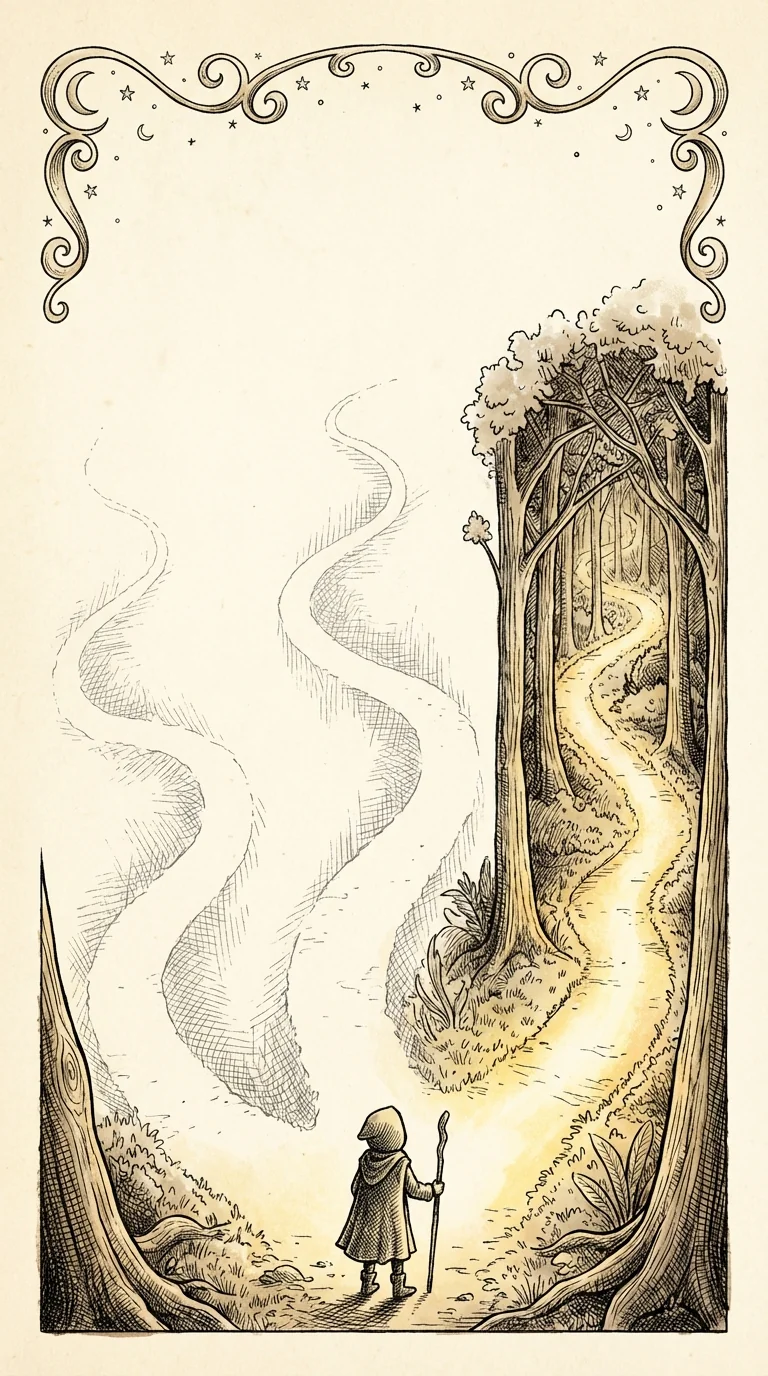
Three scenarios clarify one question: which path am I actually most likely to face? Answer that — and your decision almost makes itself.
Part 2: Test Your Next Decision
+10 XP on completion

Context tells you if a pattern fits. Scenarios tell you which outcome is most likely. Now apply both to a real decision.
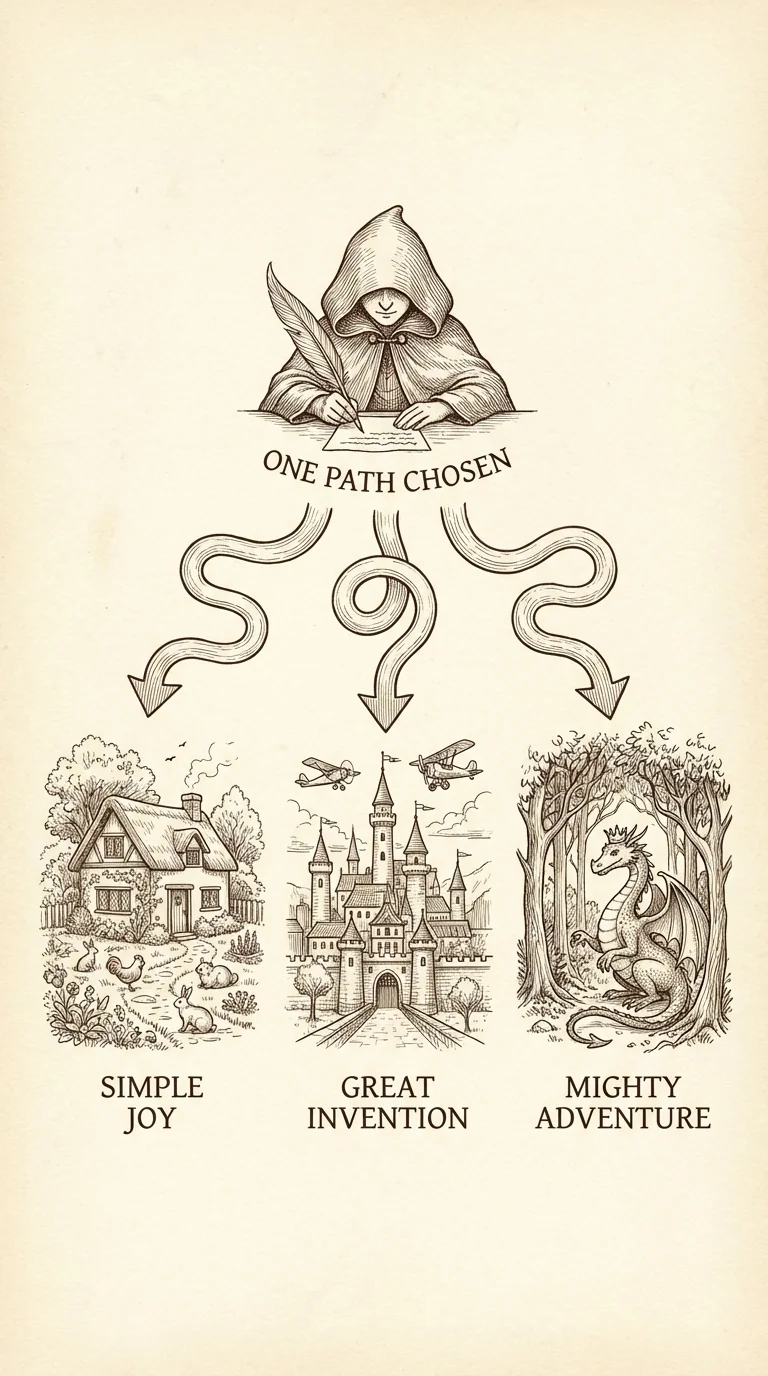
Today's exercise: pick one real decision you're facing. Map it across three scenarios: best case, realistic, and worst case.
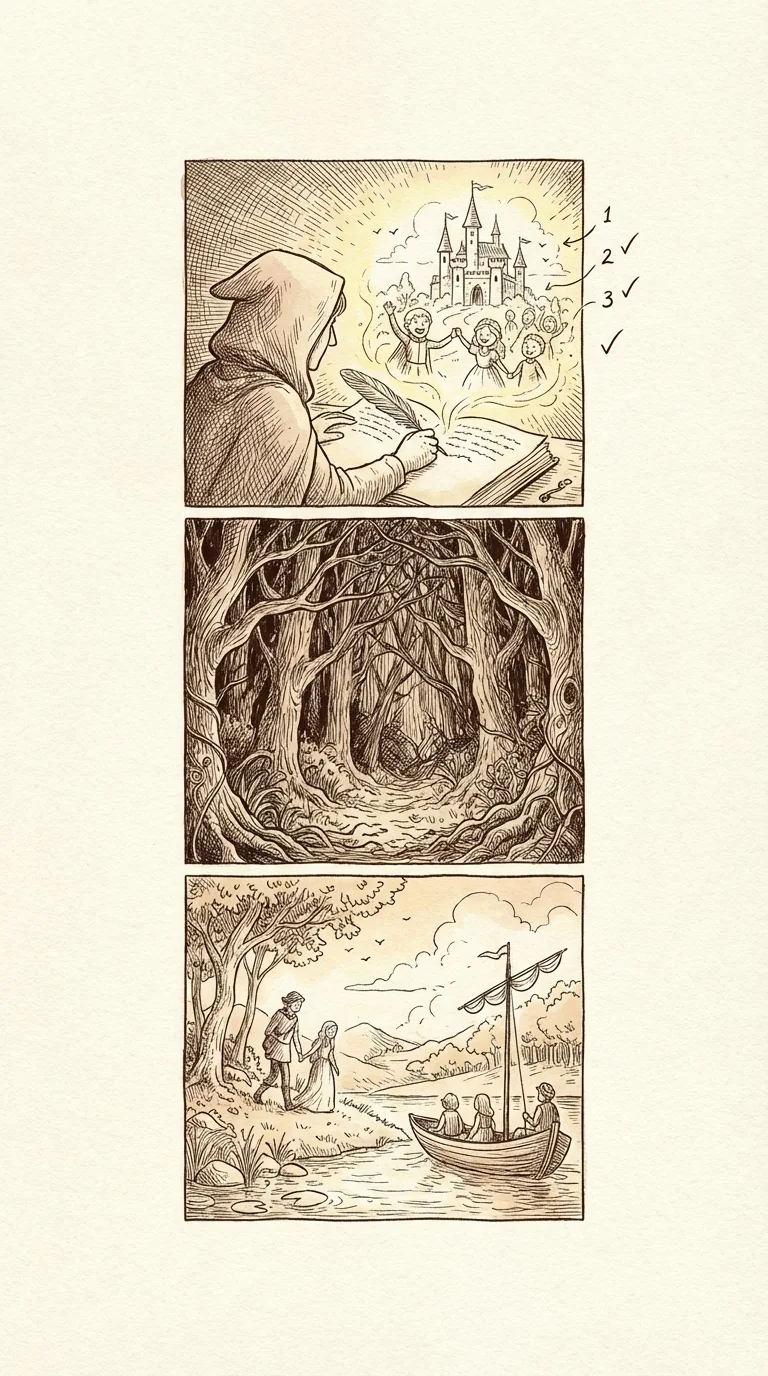
Step 1 — Write what you're deciding. Then write the best-case outcome if it goes perfectly. Be specific: numbers, timelines, outcomes.

Step 2 — Write the realistic and worst-case outcomes. Then ask: which scenario do I think is most likely and why? Write your reasoning.
Now commit: based on your most-likely scenario, what's your decision? Write it down. A written decision is a made decision.
Scenarios don't guarantee you're right. They guarantee you've thought clearly. Your compass now holds all four directions.