When Best Practices Fail
Great judgment isn’t pattern reuse — it’s pattern recognition plus context discrimination. Learn why the strategy that worked last time might destroy you this time.
Part 1: When Best Practices Fail
+5 XP on completion
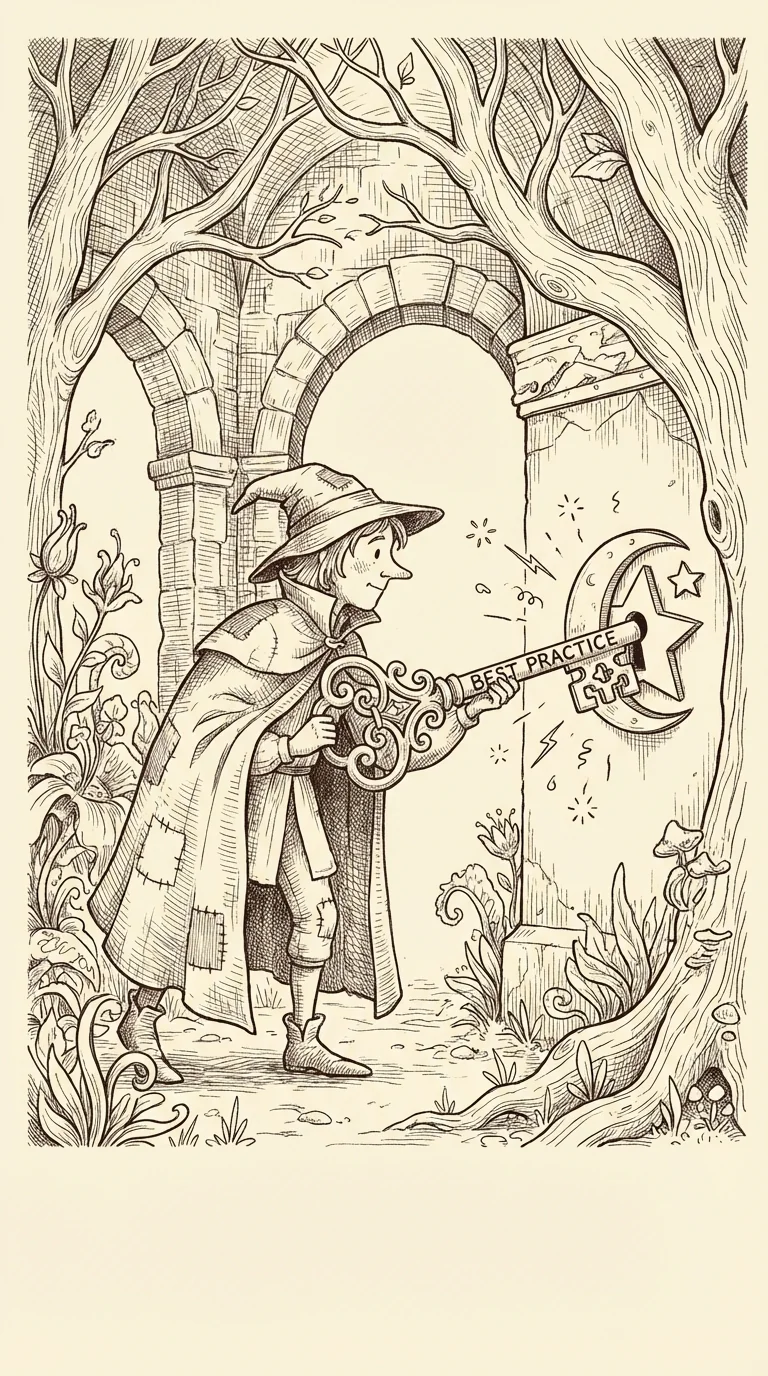
"Best practice" is someone else's solution to someone else's problem. Does it actually fit yours?
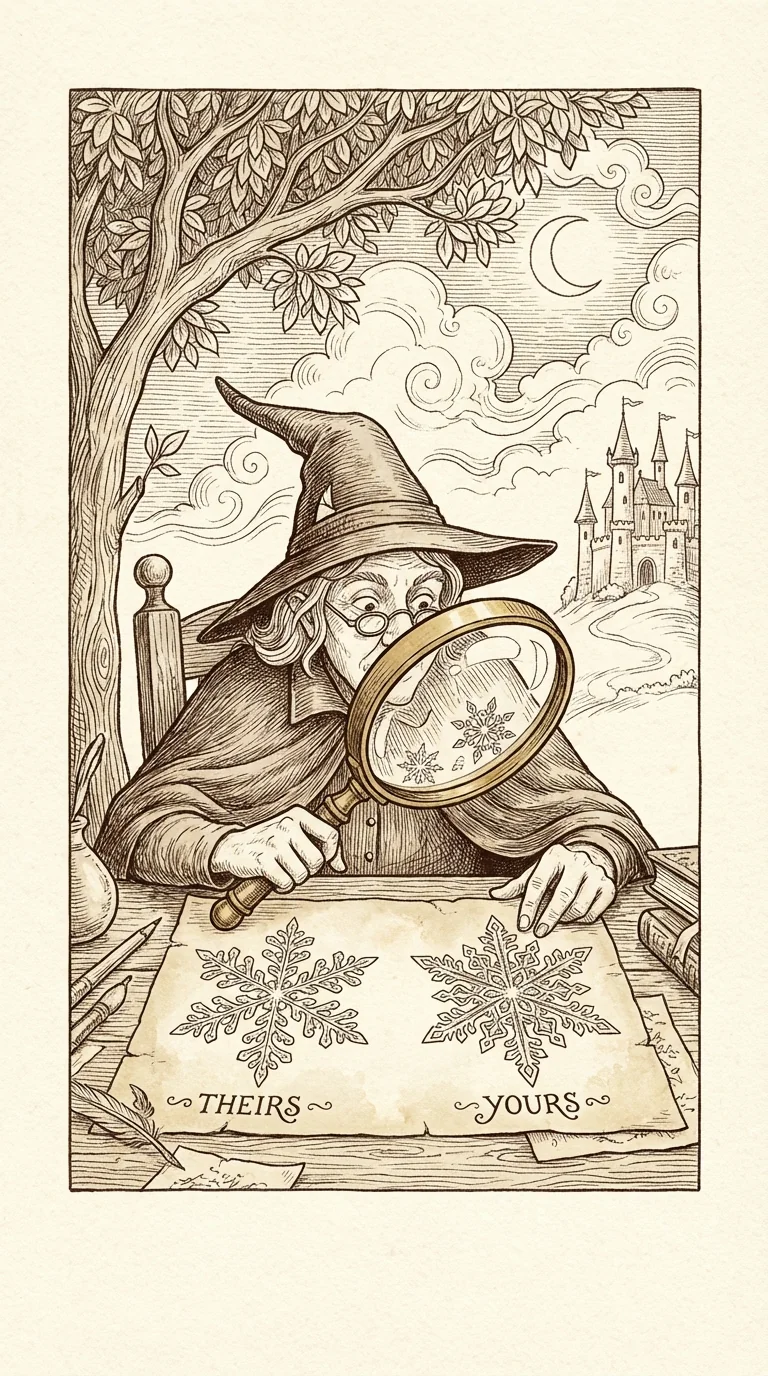
Judgment is pattern recognition PLUS context discrimination. Good judgment surfaces what is unique about THIS situation.
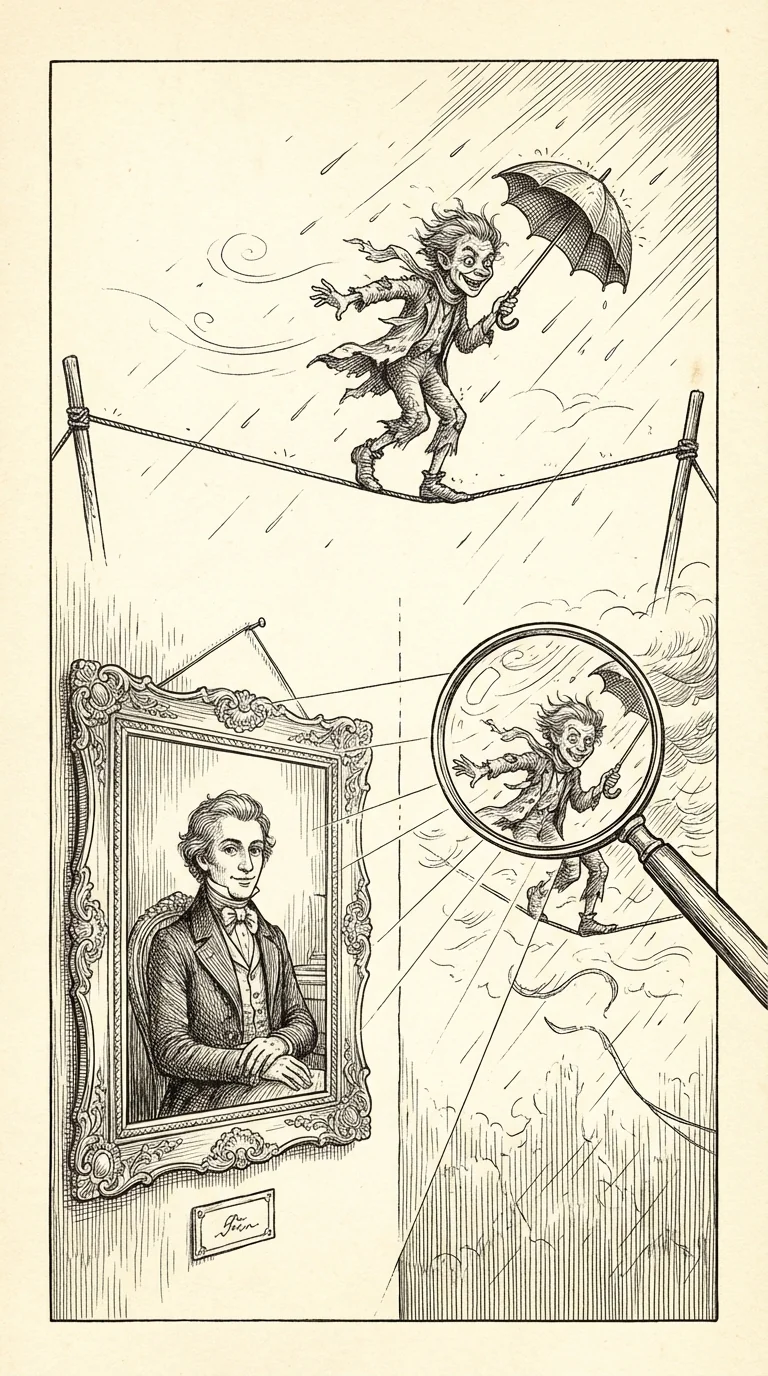
Poor judgment overgeneralizes. It sees "this worked before" and stops thinking. Great judgment asks: is THIS situation similar enough?
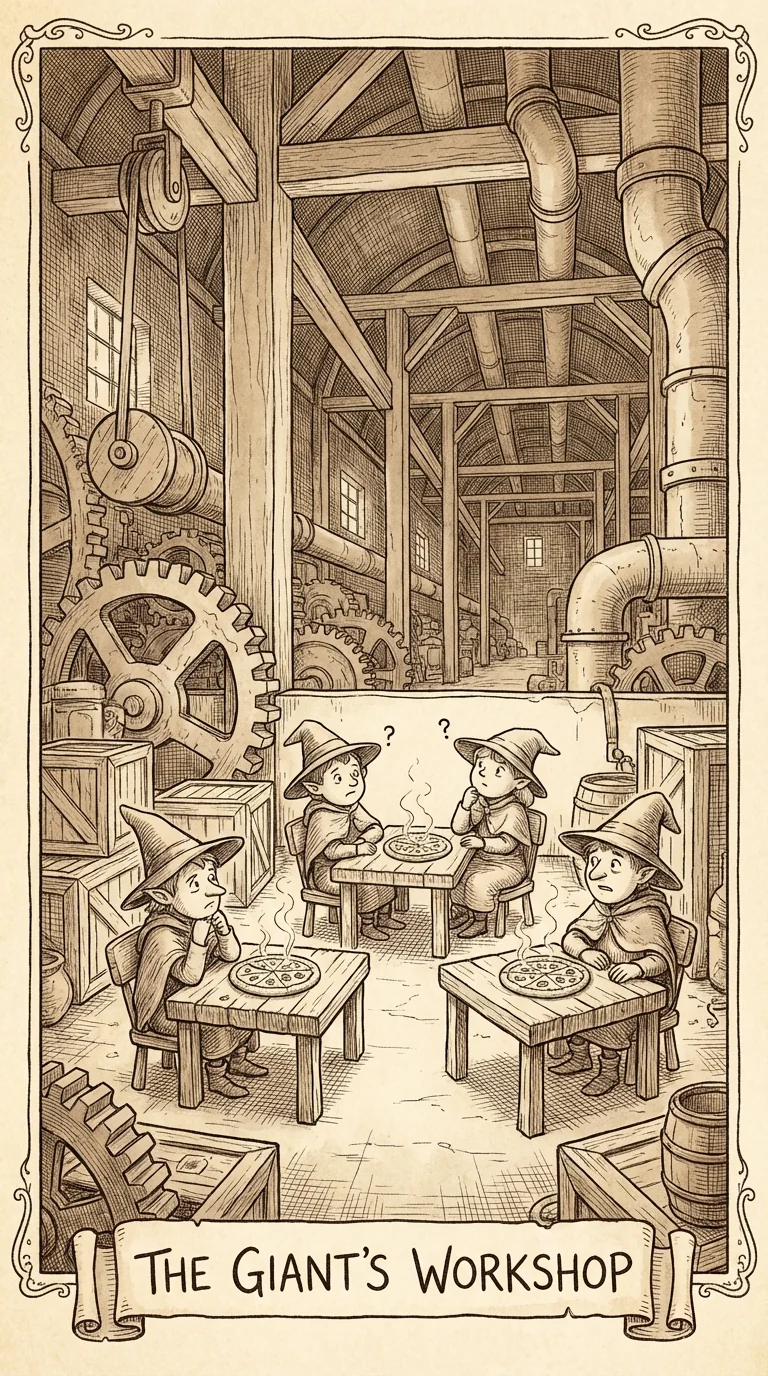
A startup copies Amazon's two-pizza team rule. Except they have 4 employees. The rule was built for scale — not for them.
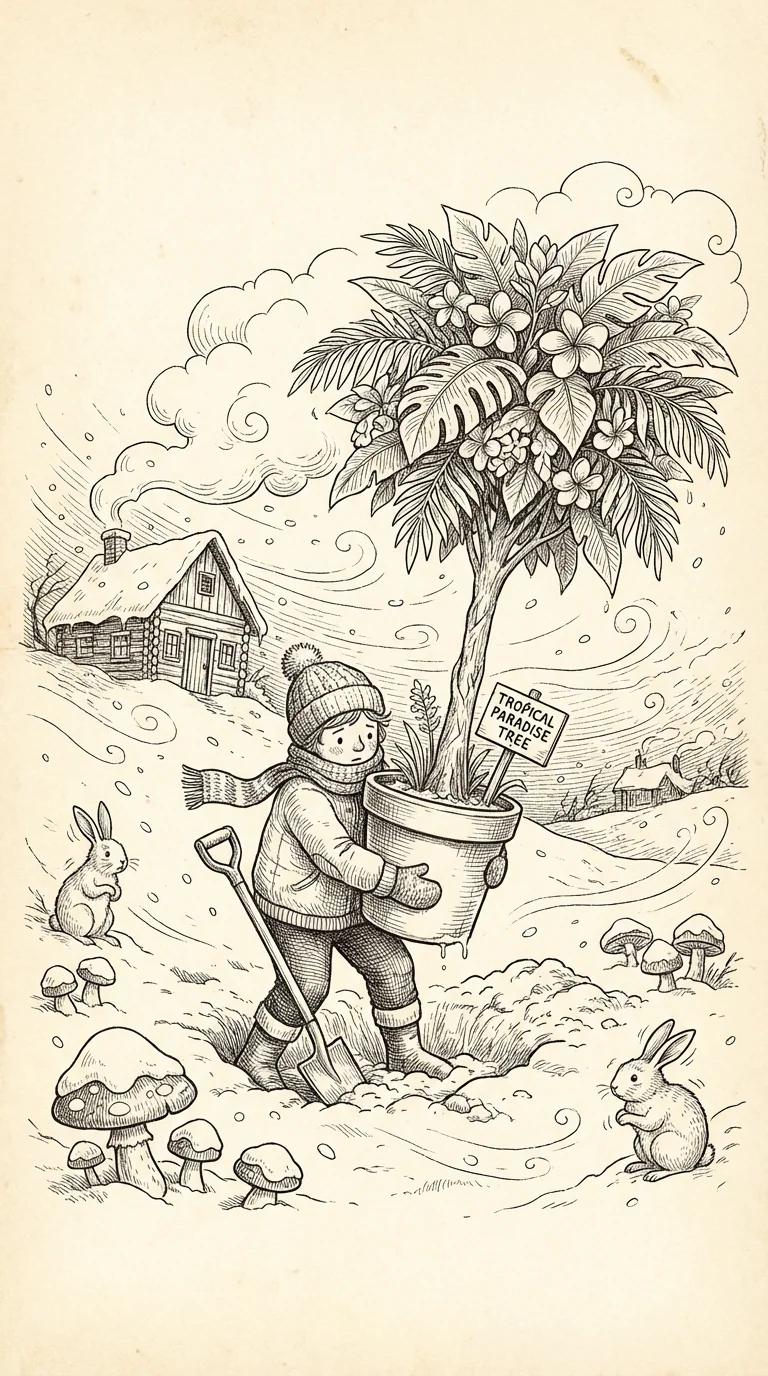
The pitfall: borrowing the answer without borrowing the context. Strategy transplants fail when the conditions don't match.
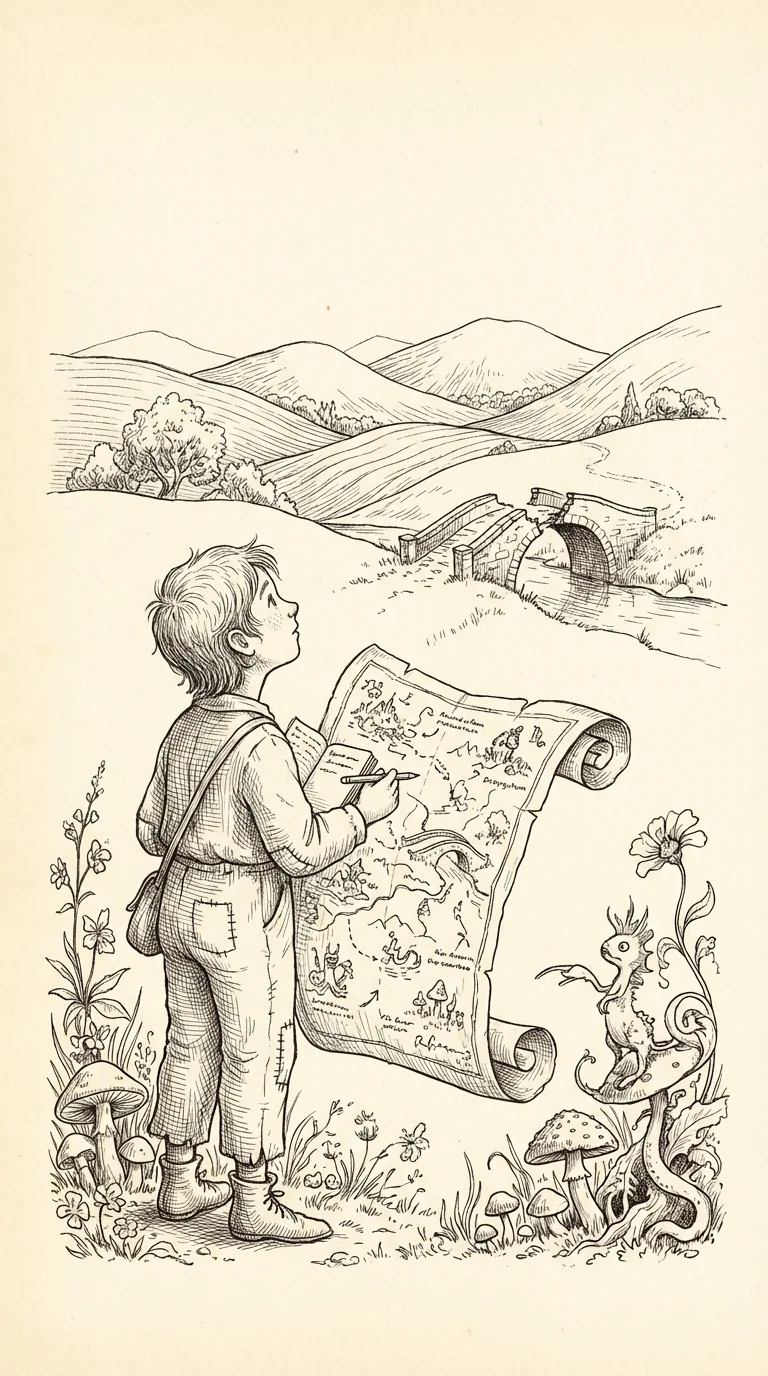
Patterns are maps, not roads. Check the terrain before you follow the map.
Part 2: The Context Checklist
+10 XP on completion
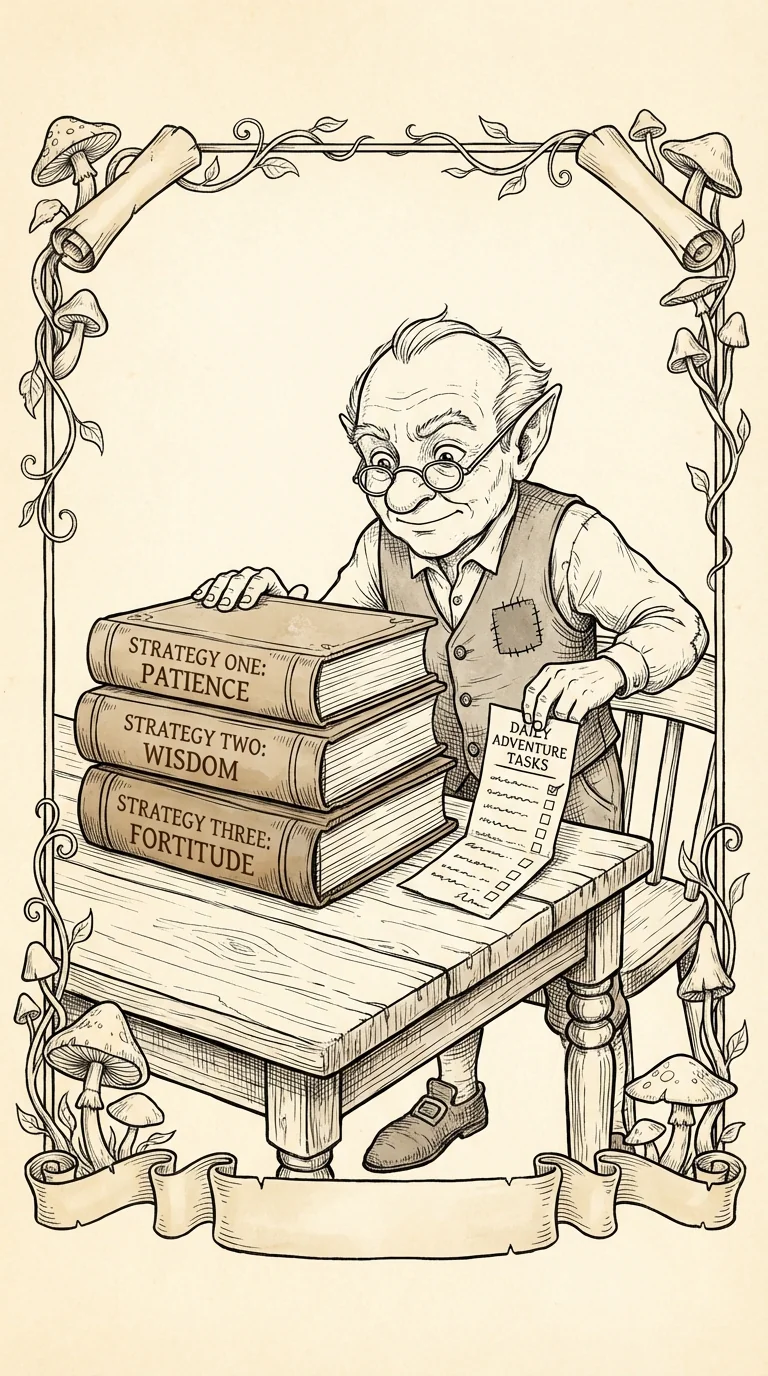
Best practices borrow someone else's answer. Today you test whether that answer actually fits YOUR context.

Today's exercise: pick one strategy or best practice you're considering. Then run it through 3 context questions before you commit.

Question 1: Is my organization similar enough to the original context? Size, culture, resources — name the differences honestly.
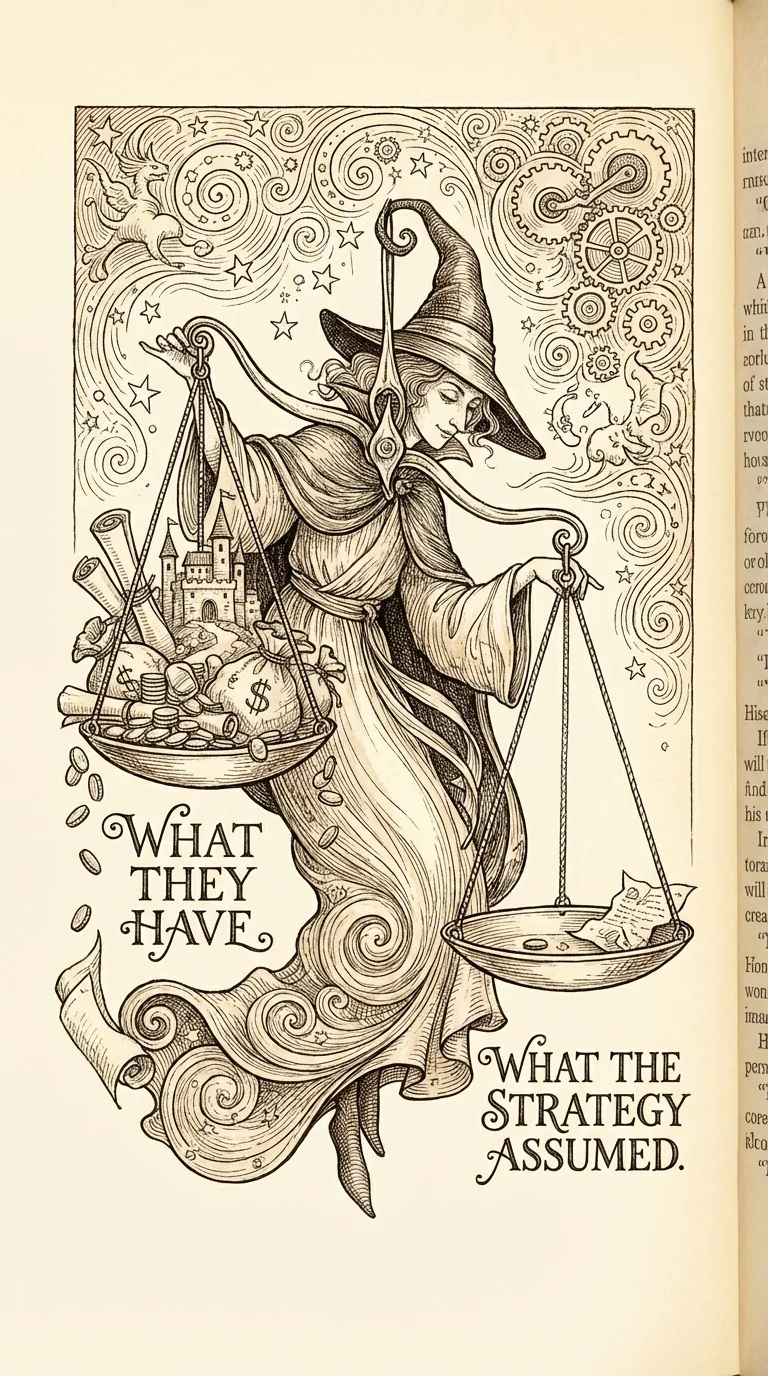
Question 2: Do I have the same resources? Question 3: Is the market context the same? Two "no" answers means the pattern won't transfer.

Based on your answers, decide: adopt it, adapt it, or abandon it. A clear verdict beats a vague maybe.

Context is the lens everything else passes through. Your compass now marks North and South — two points that give your judgment direction.