The Strategic Quit
Knowing when to quit is knowing when to persist. Learn the exact three questions that tell you whether to stop or keep going — before sunk cost bias clouds your judgment.
Part 1: The Strategic Quit
+5 XP on completion

Knowing when to quit IS knowing when to persist. Most people have it exactly backwards.
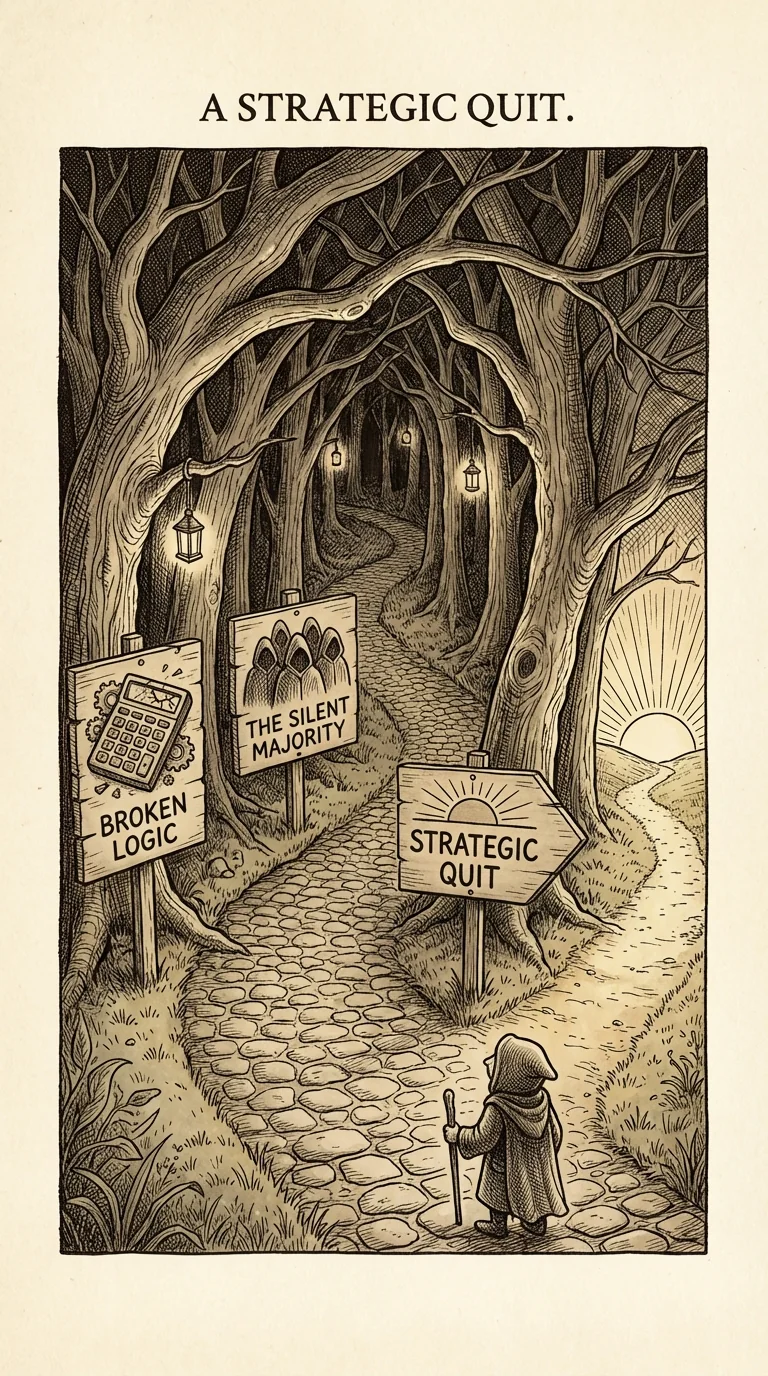
Quit when: the math doesn't work, the market isn't responding, or a better opportunity clearly exists.
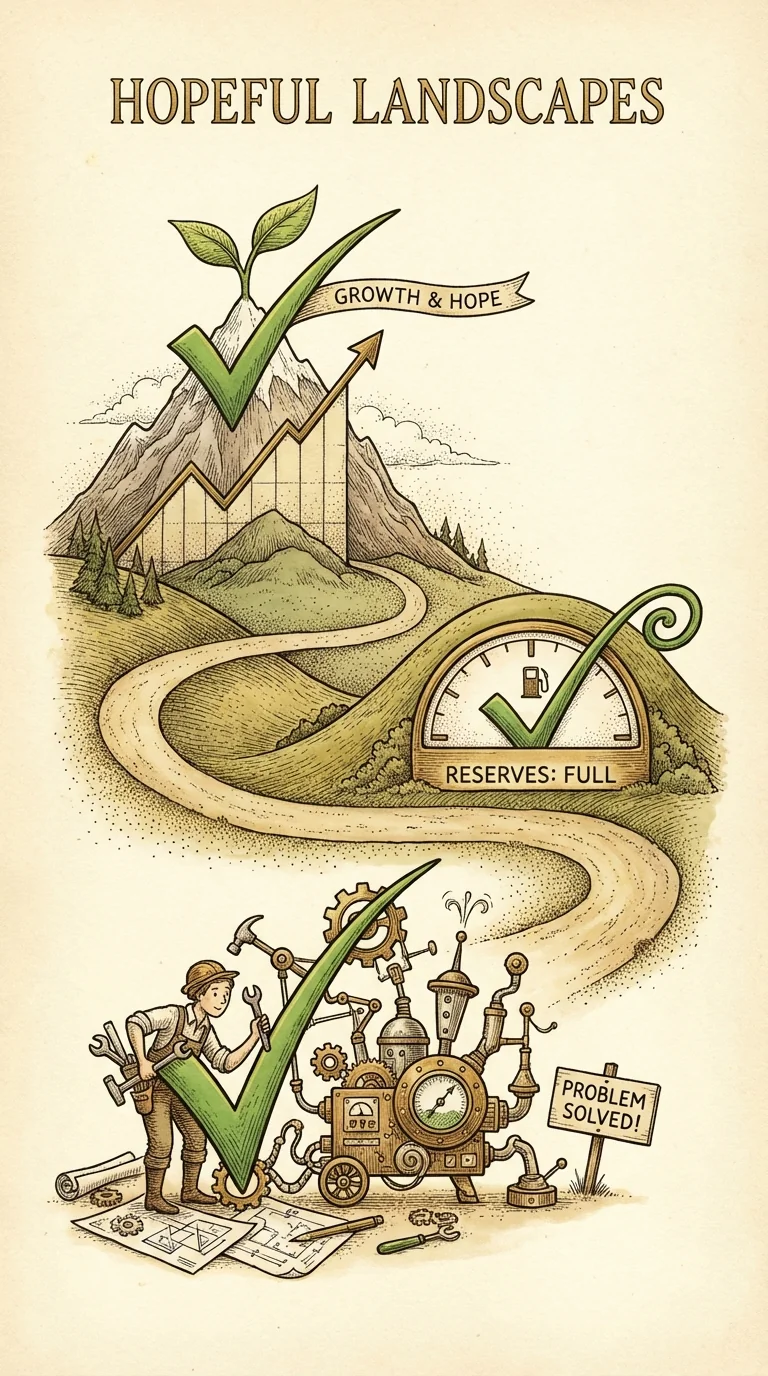
Persist when: progress is measurable, runway exists, and the bottleneck is execution — not market demand.

A founder held on 18 months past the signal to quit. When they finally stopped, they launched a new idea that succeeded in 6.

Pitfall: confusing the discomfort of quitting with evidence that you should persist. Discomfort is not a signal — data is.

The best judgment is knowing the difference between a bad day and a bad direction. Quitting well is a skill.
Part 2: Run the Quit Test
+10 XP on completion

Today you apply the three-question Quit Test to a real project you're running. Honesty required.

Today's practice: think of a project or initiative you're currently running. Apply the Quit Test honestly.

Question 1: Is it growing measurably? Not 'sort of' — measurably. Write your actual number.

Question 2: Do I have enough runway? Question 3: Is there real demand? Two 'no' answers means reconsider now.
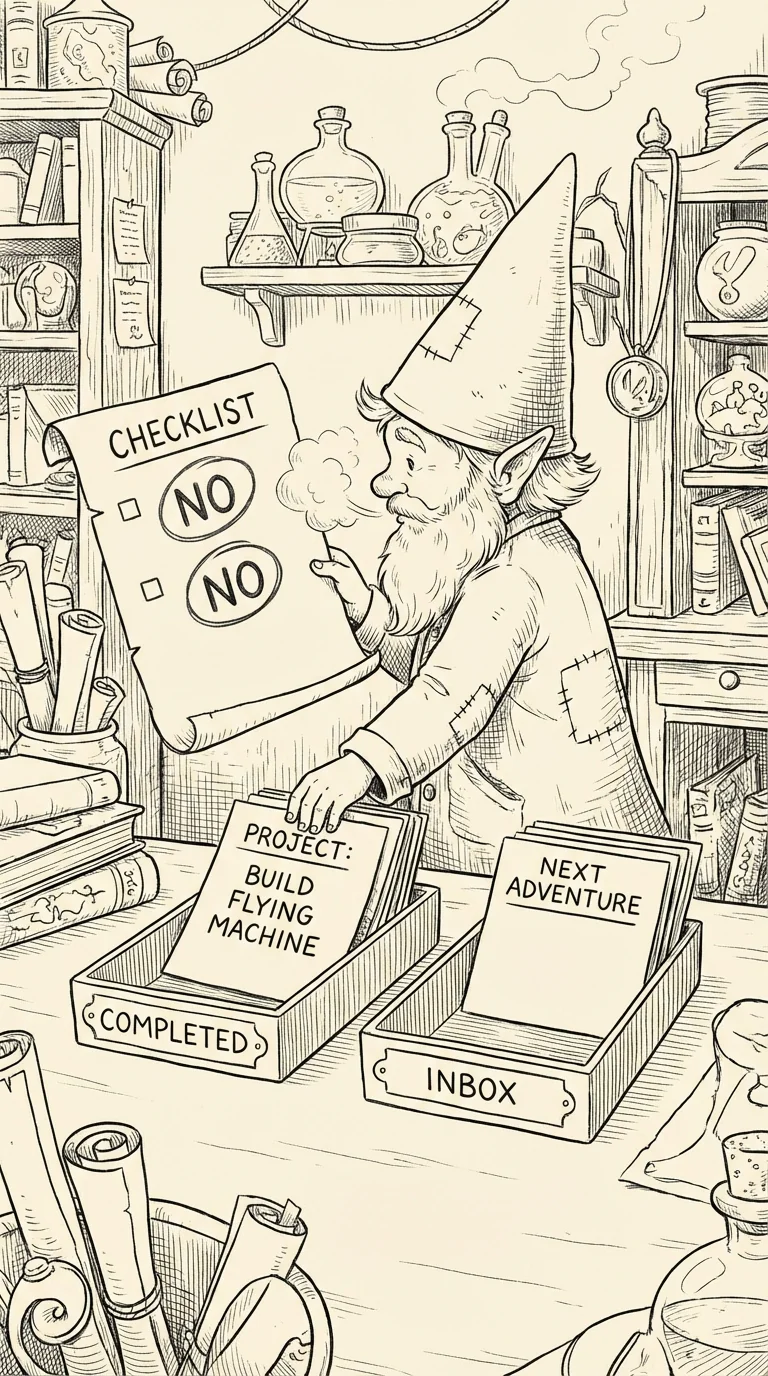
Commit: review your results. If the answer is clear, act on it. Delaying a clear quit costs more than quitting.

Your compass travels best when it's not dragged back by things that have already ended. Know when to move on.