Design Your Kill Criteria
Set your stop conditions before you start. The pre-mortem — imagining failure before it happens — is the most powerful bias-breaker in your toolkit. Write it before you need it.
Part 1: Design Your Kill Criteria
+5 XP on completion
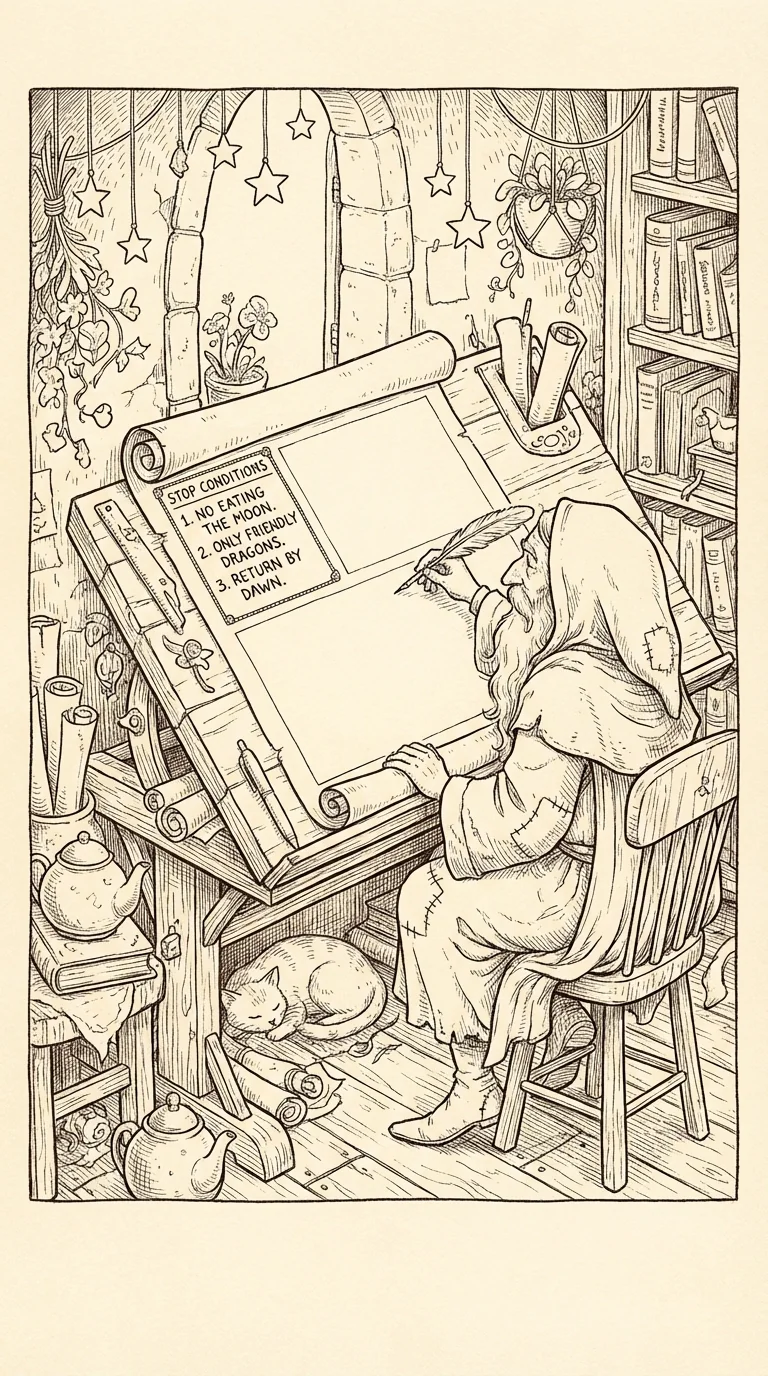
Before starting any project, write the criteria that will end it. Most people never do this — and pay for it.
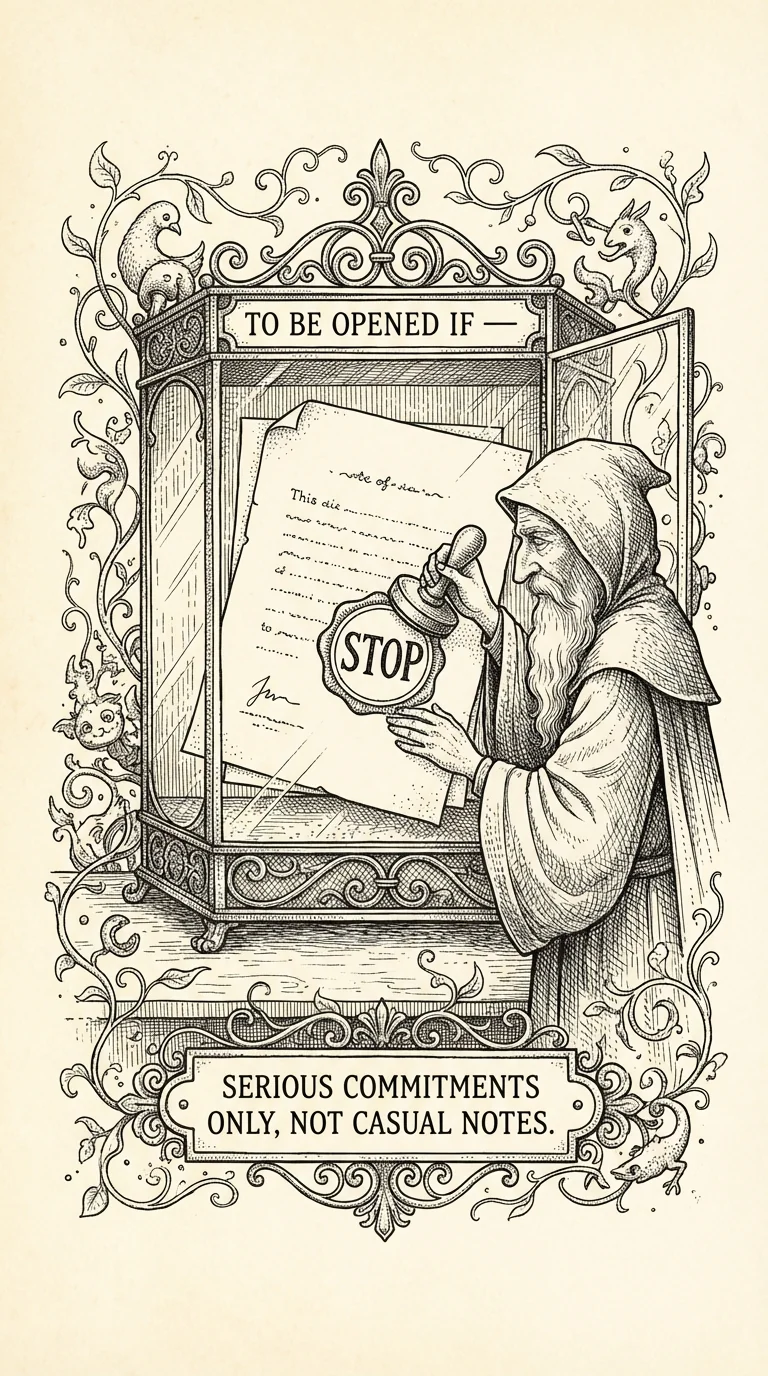
Kill criteria are the conditions under which you stop — no exceptions, no extensions, no emotional override.
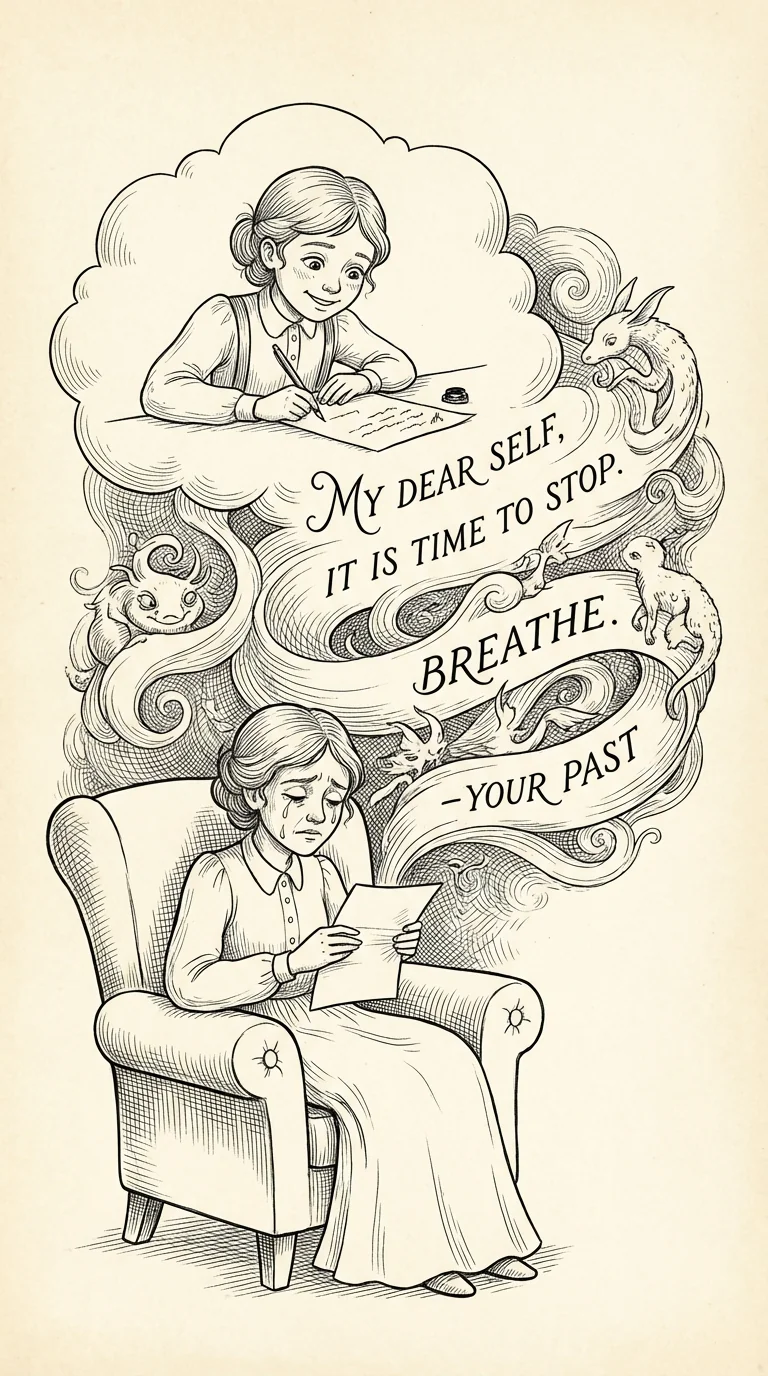
Why set kill criteria? Because sunk cost traps are emotional, not logical. Logic written in advance beats emotion in the moment.

The Pre-Mortem: imagine it's 6 months from now and the project failed. What happened? Write it down now, before you start.
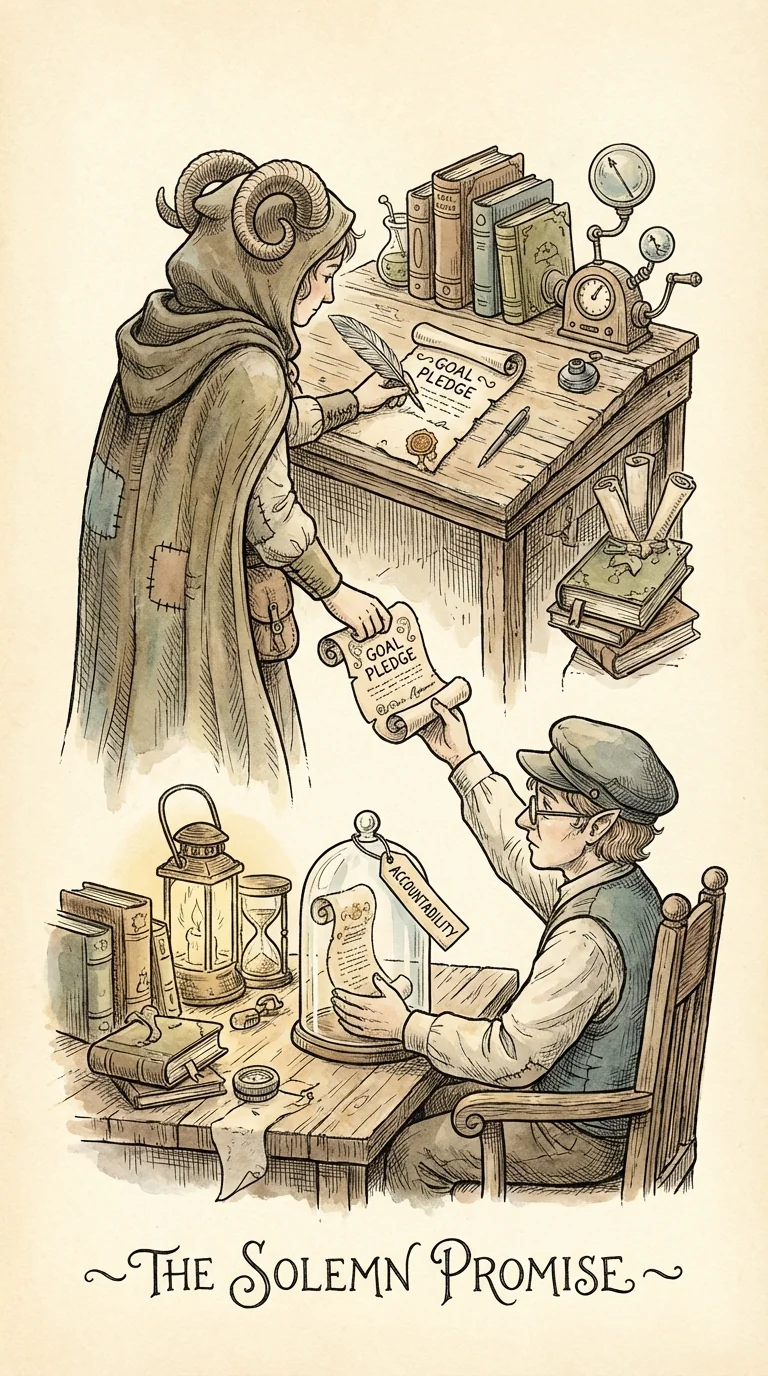
Pitfall: writing kill criteria you'll secretly ignore. Share them with someone who will hold you accountable.
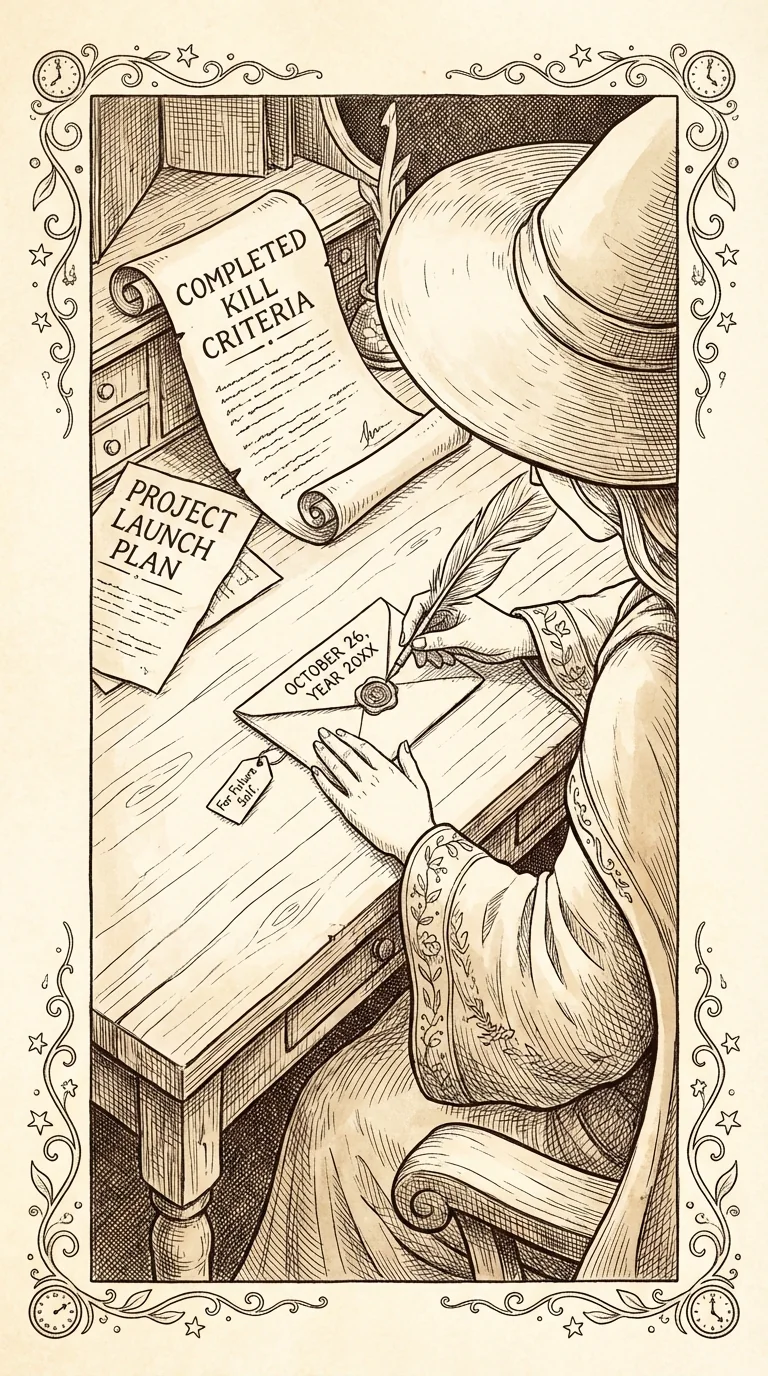
Kill criteria prevent the sunk cost trap. They are acts of future-self wisdom written by your present-self clarity.
Part 2: Write Your Pre-Mortem
+10 XP on completion
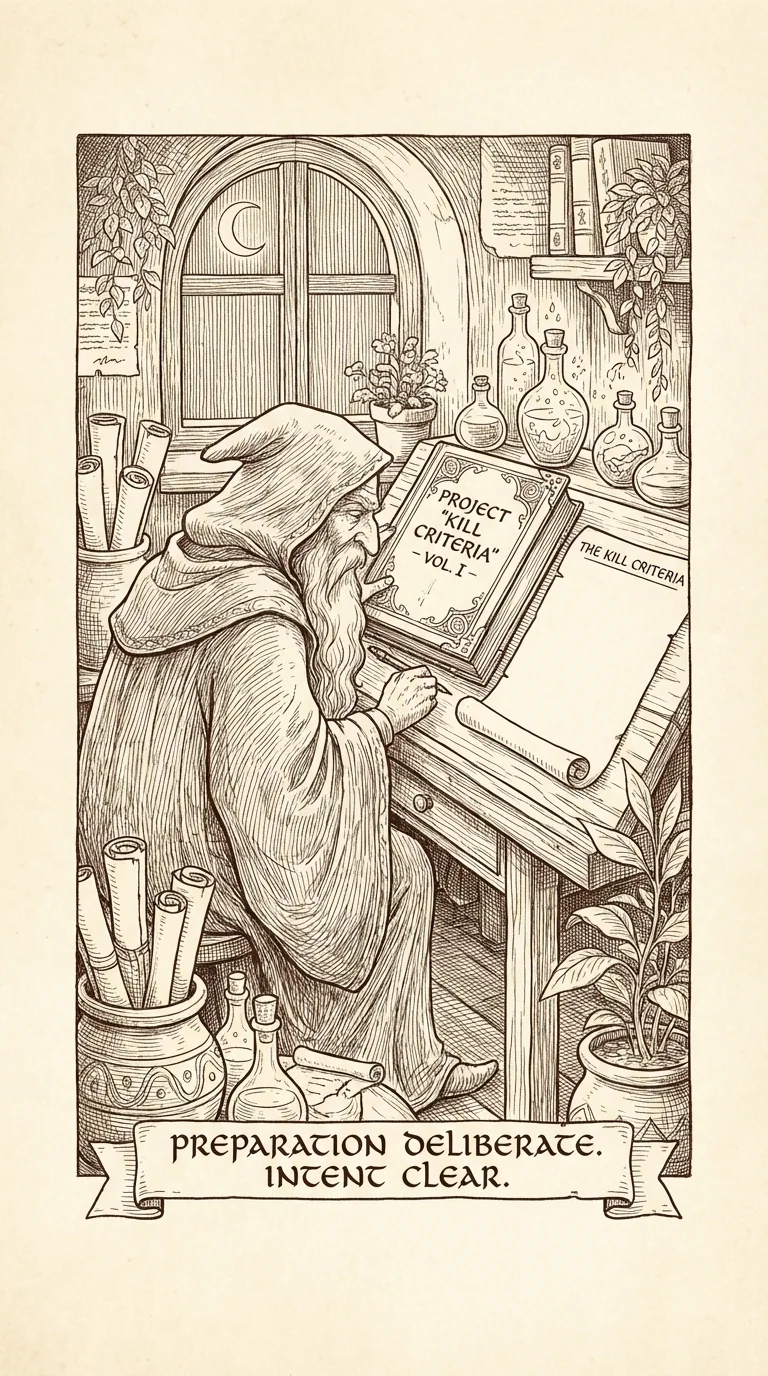
Kill criteria protect you from your own future emotions. Today you write yours for a real project.
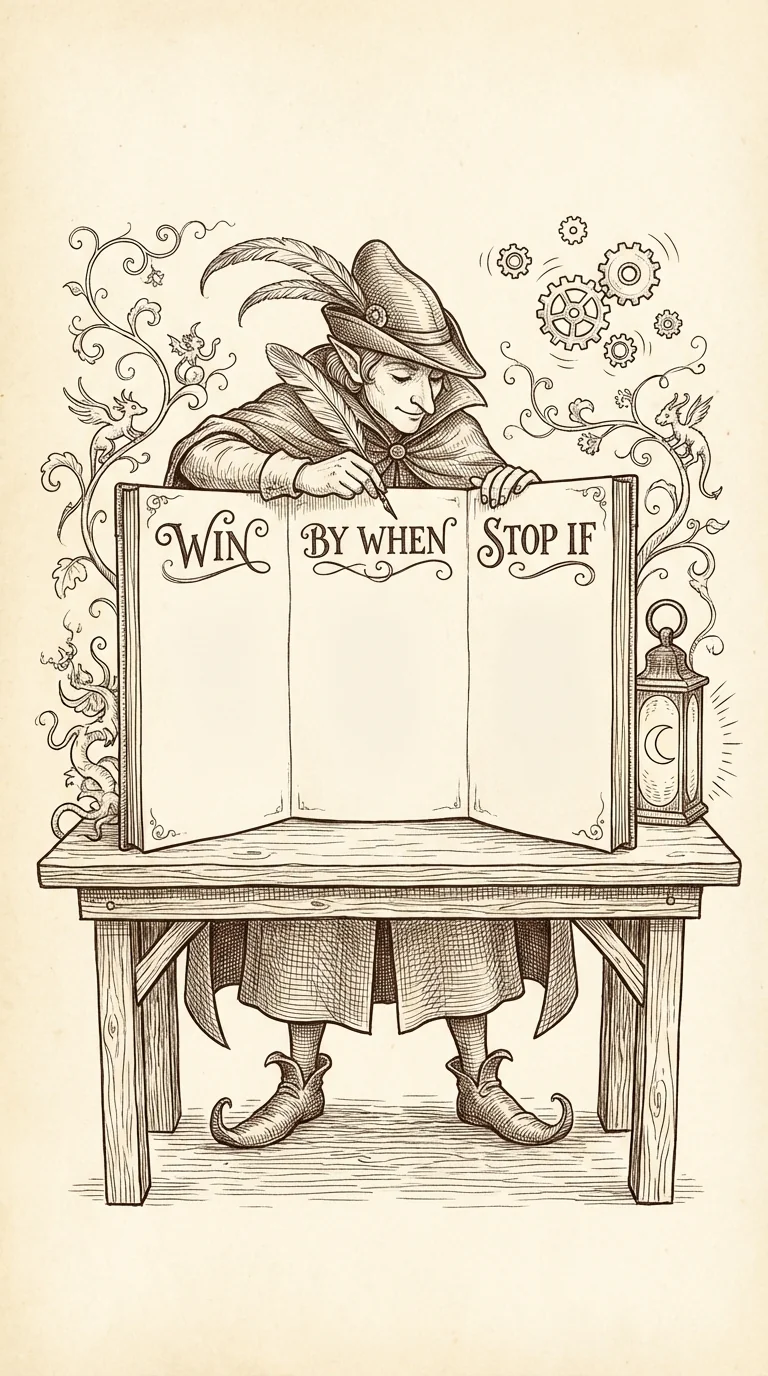
Today's practice: take one active project. Write three things — success criteria, timeline, and kill criteria.

Section 1: what does winning look like? Be specific — a number, a milestone, a clear outcome.
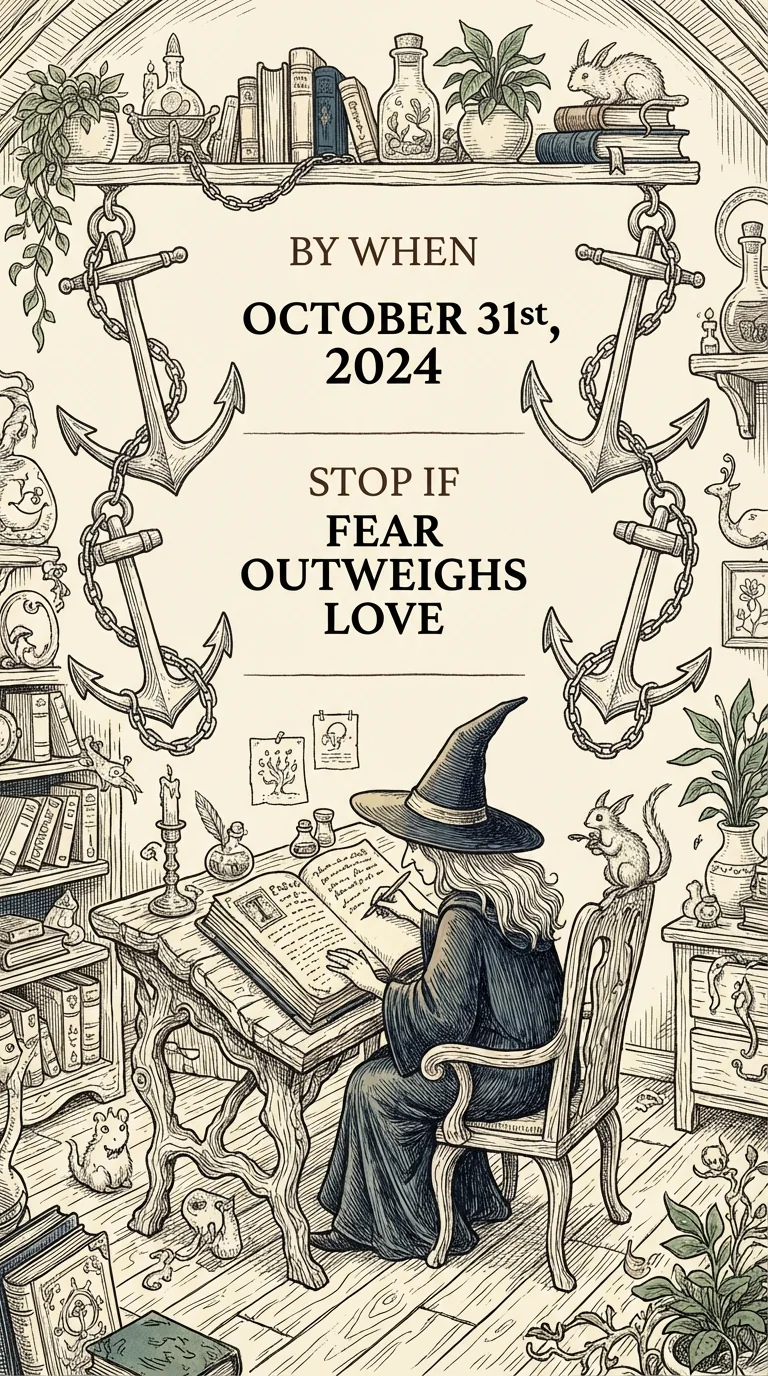
Section 2: by when? Section 3: if [X] happens, I will stop. Fill both in before you close this page.

Commit: share these criteria with one person who will hold you accountable. Accountability makes criteria real.

Your compass sees most clearly when you look through the lens of honest criteria. Clarity is the final refinement.